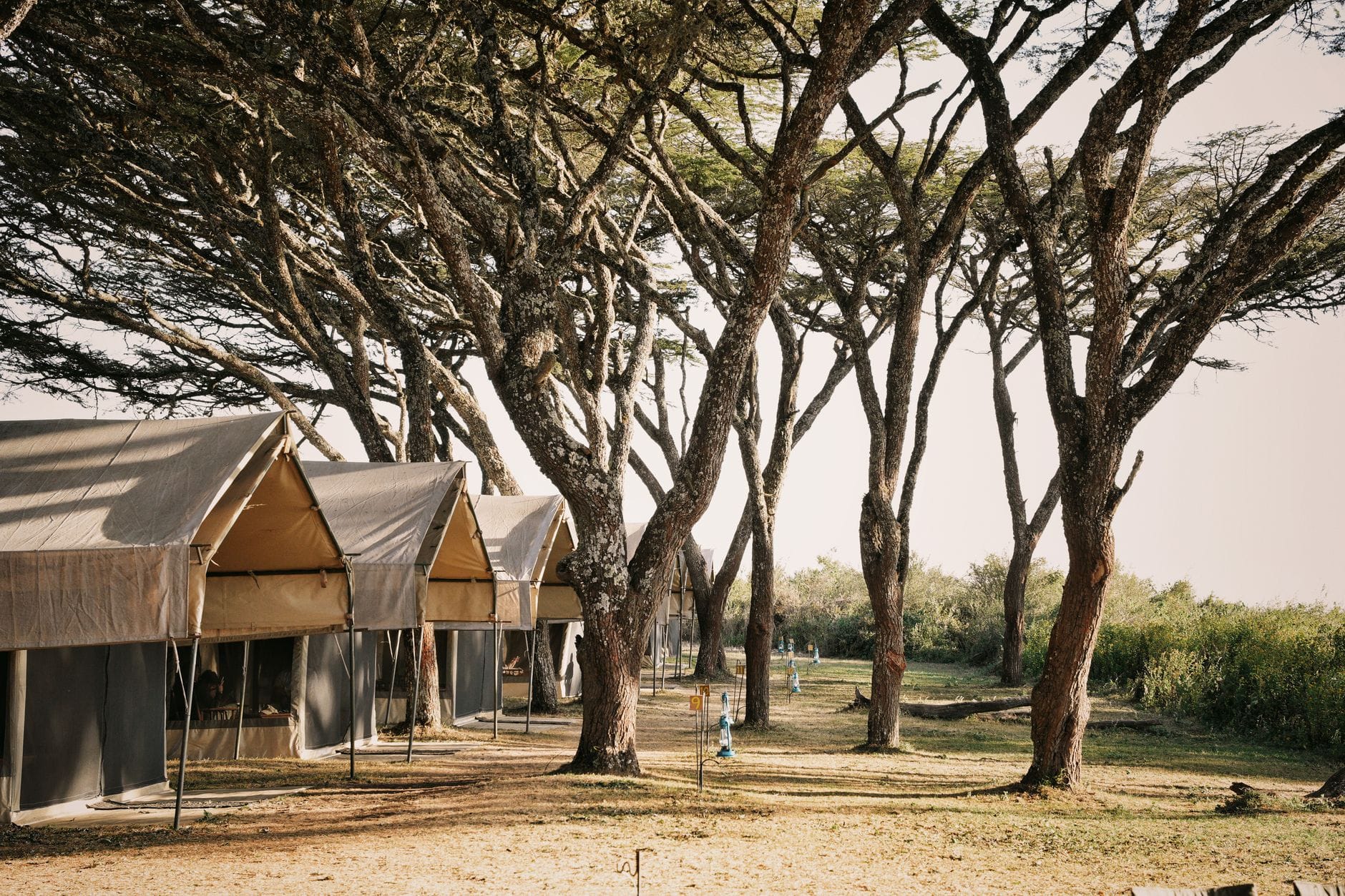
Embarking on a camping safari in East Africa is an unparalleled adventure that places you at the heart of some of the world’s most spectacular wildlife landscapes. Whether you’re venturing into the Maasai Mara to witness the Great Migration or exploring the rugged beauty of Samburu, proper preparation is key to a safe, comfortable, and truly memorable experience. At Anapano Tours, we specialize in custom camping safaris throughout Kenya’s premier national parks and know exactly what gear makes all the difference in the field. This complete packing guide equips you with expert tips and a detailed checklist designed specifically for East African camping safaris, helping you balance comfort, safety, and wildlife viewing readiness.
Understanding the East African Safari Environment: Why Packing Matters
Camping safaris in Kenya and surrounding regions pose unique challenges and demands. Days can be intensely sunny and hot, while early mornings and evenings bring cooler temperatures—especially in parks like Amboseli with its elevated plains. Furthermore, close encounters with wildlife require thoughtful preparation to ensure safety and respect for the environment. Choosing the right clothing and equipment not only enhances your comfort but also supports optimal wildlife observation, photography, and movement during game drives and walking excursions. Anapano Tours guides tailor your safari experience to each park’s conditions, but your packing sets the foundation for how well you can engage with the environment and your surroundings.
Essential Clothing and Personal Items for Camping Safaris
Start with breathable, neutral-colored clothing that blends into the natural surroundings without attracting unnecessary attention from animals. Lightweight, quick-dry fabrics work best for daytime wear, while layering is crucial to adjust to temperature shifts—think long-sleeve shirts and fleece jackets or thermal tops for chilly mornings and nights. Durable safari pants and a wide-brimmed hat provide sun protection, complemented by high-quality sunglasses and a buff or scarf to shield your face from dust. Don’t forget a reliable pair of closed hiking shoes or sturdy walking boots for exploratory hikes and uneven terrain. For evening campfire moments, pack warmer layers as temperatures can dip significantly.
Health and Hygiene Essentials
Prepare for your safari’s health aspects by bringing insect repellent with DEET or natural alternatives, considering the prevalent mosquitoes in many reserve areas. Sunscreen with a high SPF rating is non-negotiable under the African sun, and a personal first aid kit including plasters, antiseptic wipes, and prescription medications is essential. Staying hydrated is equally important; a reusable water bottle with a filtration system can be a practical choice for longer excursions away from camp. Finally, compact toiletries in eco-friendly packaging ensure hygiene without harming the fragile ecosystem.
Specialized Gear to Optimize Your Safari Experience
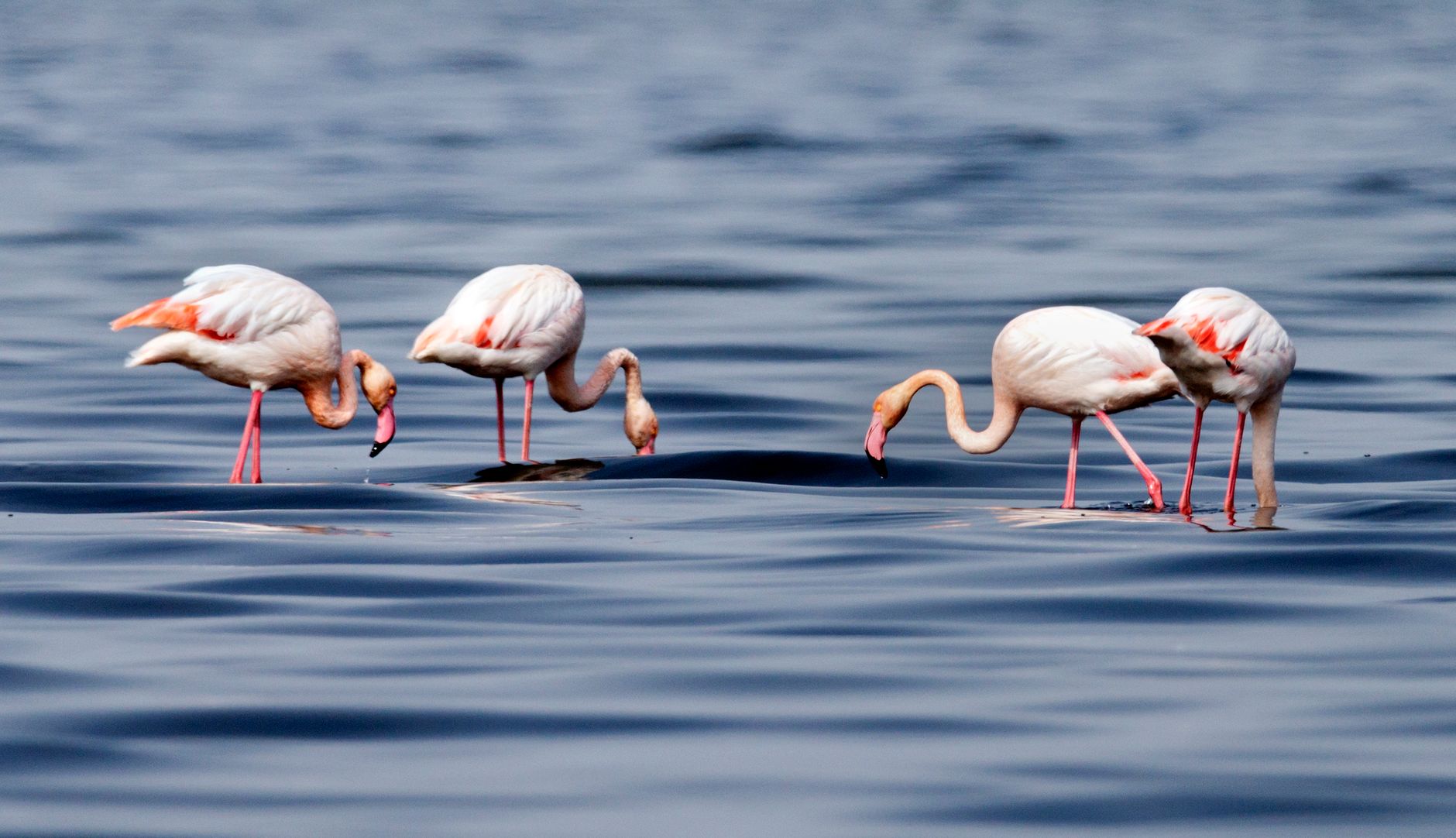
Wildlife viewing and photography are often the highlights of your trip, so bringing the right equipment significantly enhances your experience. Compact binoculars are invaluable for spotting distant animals, while a high-quality camera with zoom lenses and extra batteries guarantees you don’t miss iconic moments like the Great Migration in Maasai Mara or birdwatching at Lake Nakuru. A flashlight or headlamp with sufficient lighting and spare batteries is vital for navigating camps safely after dark. Additionally, packing a reliable travel adapter and portable power bank keeps your devices charged despite remote locations and limited electricity access.
Practical Packing Tips for Safari Travel
When it comes to luggage, soft-sided duffel bags are preferable to hard suitcases given vehicle space constraints on safari jeeps and the rough terrain between parks like Tsavo and Amboseli. Airlines serving regional hubs may enforce weight restrictions, so packing efficiently and light is crucial—aim for a maximum of 15-20 kilograms per person. Organize your gear using packing cubes or pouches categorized by clothing, electronics, and toiletries, allowing for quick access without unpacking your entire bag. Importantly, avoid bright colors or synthetic fragrances that might disturb wildlife or attract insects.
Seasonal Considerations and How They Affect Your Packing
Kenya’s diverse climatic conditions require modifications to your packing list depending on the season and specific park. The long rains (March to May) often bring muddy tracks and cooler weather, necessitating waterproof jackets, insect protection, and possibly waterproof boots. Dry seasons (June to October) see higher daytime temperatures and heavier tourist volumes, so sun protection and lighter layers prevail. In parks like Samburu and Lake Nakuru, birdwatchers should include field guides and extra memory cards for photography, while Amboseli’s open savannah calls for sun hats, sunglasses, and hydration packs. Anapano Tours consults you on seasonal best practices, helping tailor your preparations to wildlife activity and weather trends for maximum enjoyment.
Support and Services from Anapano Tours to Complete Your Preparation
Beyond packing advice, Anapano Tours offers personalized support to ensure your safari journey is seamless. Our expert guides provide insights into park regulations and wildlife behavior, while our customer service team assists with travel logistics such as visa requirements and vaccinations, vital for international visitors. We recommend reviewing our detailed safari packages, which include camping setups designed for safety and comfort in each park. Should you need last-minute packing tips or gear recommendations, our 24/7 support is ready to assist, helping you feel confident and fully equipped for your camping safari adventure.
Conclusion: Packing Smart for an Unforgettable East African Camping Safari
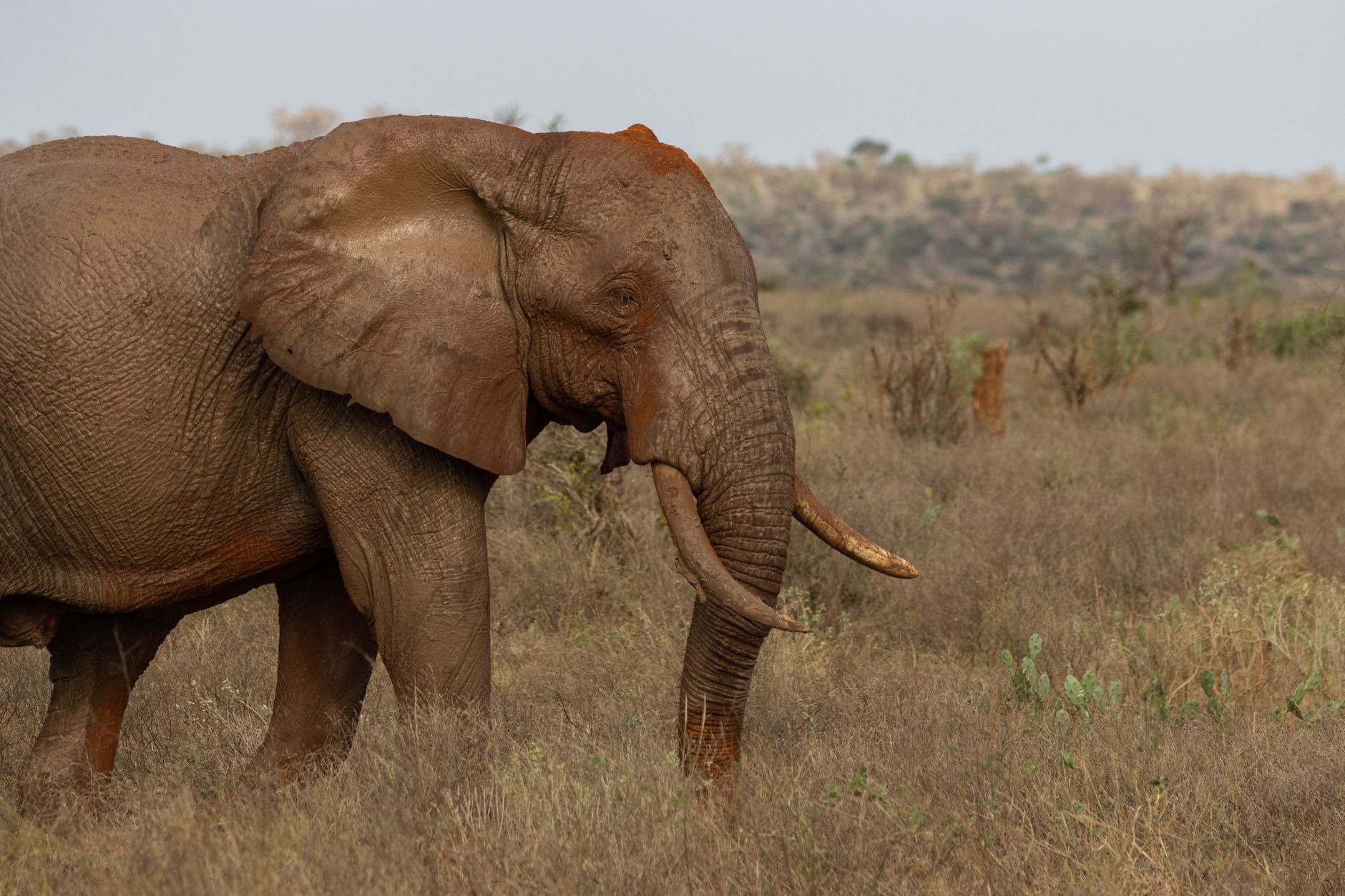
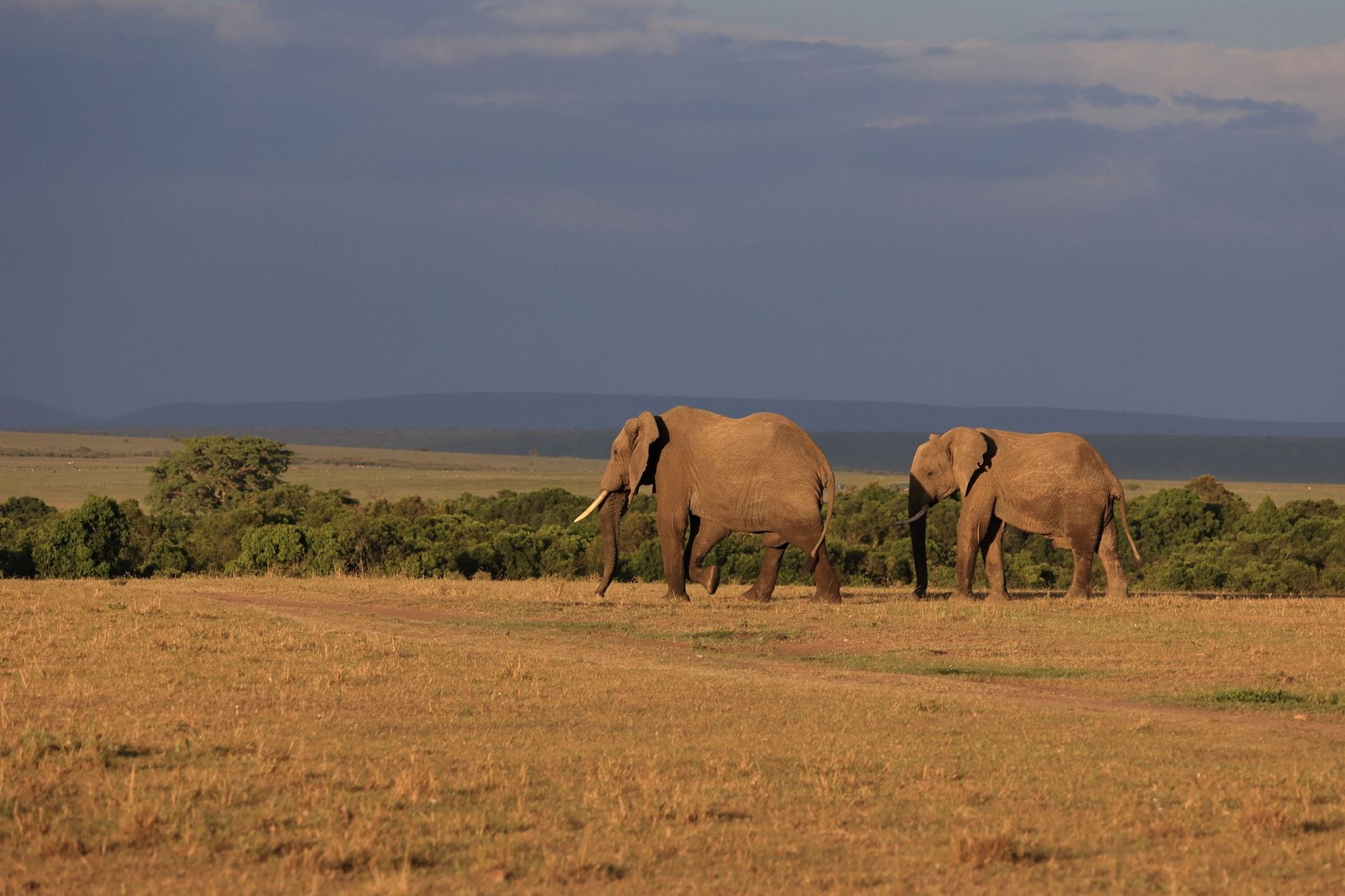
A successful camping safari in East Africa depends as much on your preparation as on the stunning landscapes and wildlife you’ll encounter. By carefully selecting and packing your gear according to this expert guide, you ensure safety, comfort, and an enriched safari experience tailored to the dynamic environments of Kenya and beyond. Whether you’re chasing the Great Migration, photographing elephants in Tsavo, or enjoying birdwatching at Lake Nakuru, the right essentials will let you fully embrace every moment. Trust in Anapano Tours’ expertise to guide you not only through your bookings and itineraries but also through practical preparation that transforms your camping safari into a remarkable and worry-free adventure.