Kenya remains one of the world’s most captivating destinations for wildlife enthusiasts and eco-conscious travelers. Amid increasing pressures on natural habitats and wildlife populations, sustainable tourism practices have become crucial in safeguarding the country’s rich biodiversity and supporting its local communities. Anapano Tours and Safaris Ltd embodies this ethos by weaving conservation and ethical tourism into the fabric of every Kenya safari experience it offers. This approach not only elevates your adventure but also ensures that your journey contributes positively to Kenya’s majestic natural heritage.
Integrating Conservation into Every Safari Journey
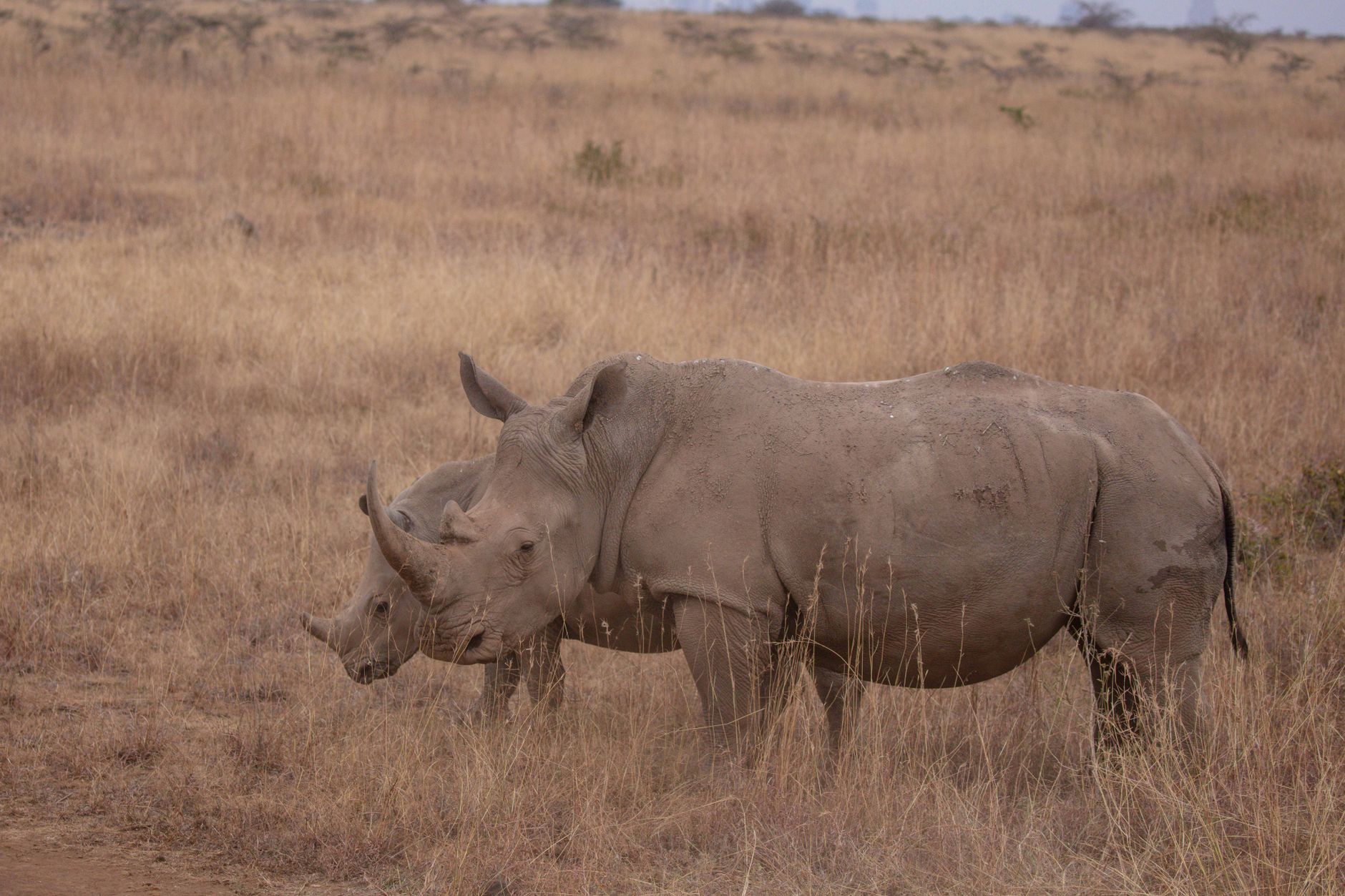
At the core of Anapano Tours’ mission lies a steadfast commitment to Kenya Safari Conservation. The company partners closely with national parks such as Maasai Mara, Amboseli, Samburu, Tsavo, and Lake Nakuru—each renowned for their unique ecosystems and critical wildlife populations. More than just showcasing these treasures, Anapano weaves conservation education and ethical wildlife interactions into its curated itineraries. Their expert guides provide deep insights into animal behavior, anti-poaching efforts, and habitat preservation, fostering an appreciation that encourages responsible traveler behavior. This strategy ensures that tourists not only witness the African Big Five and the thrilling Great Migration Kenya but do so in ways that minimize disturbance and promote long-term ecosystem health.
Committed to Eco-Friendly Safari Practices
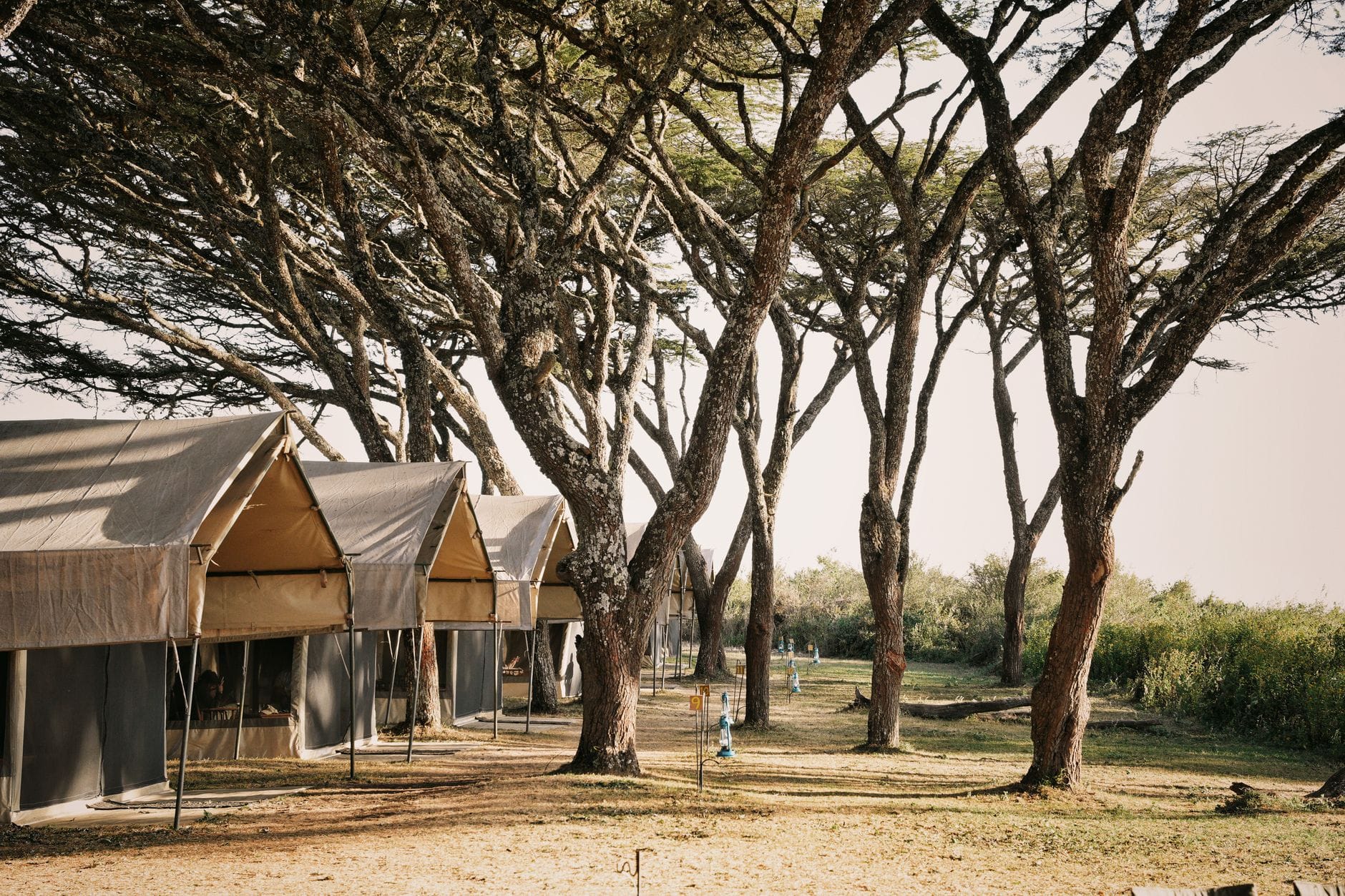
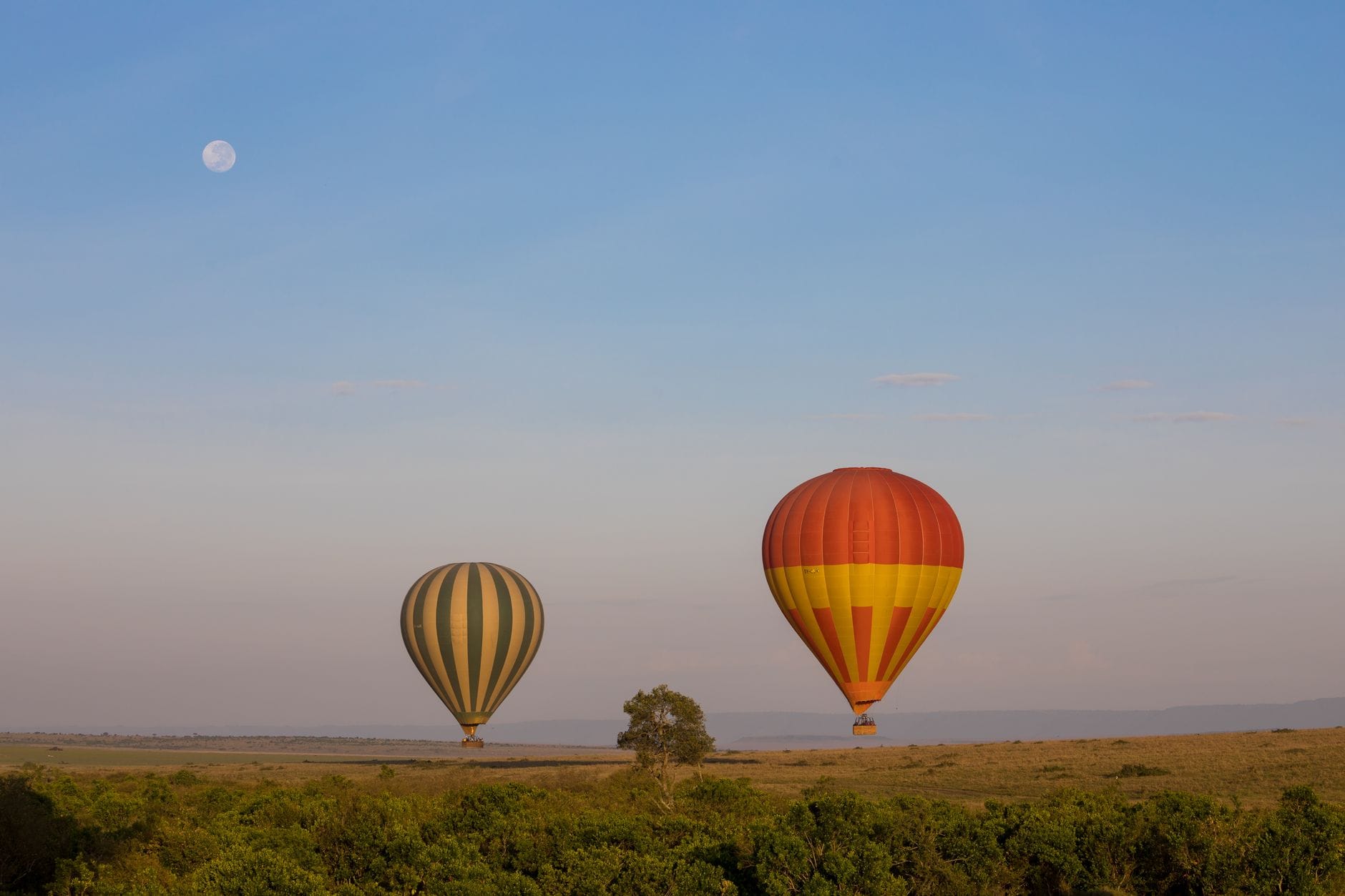
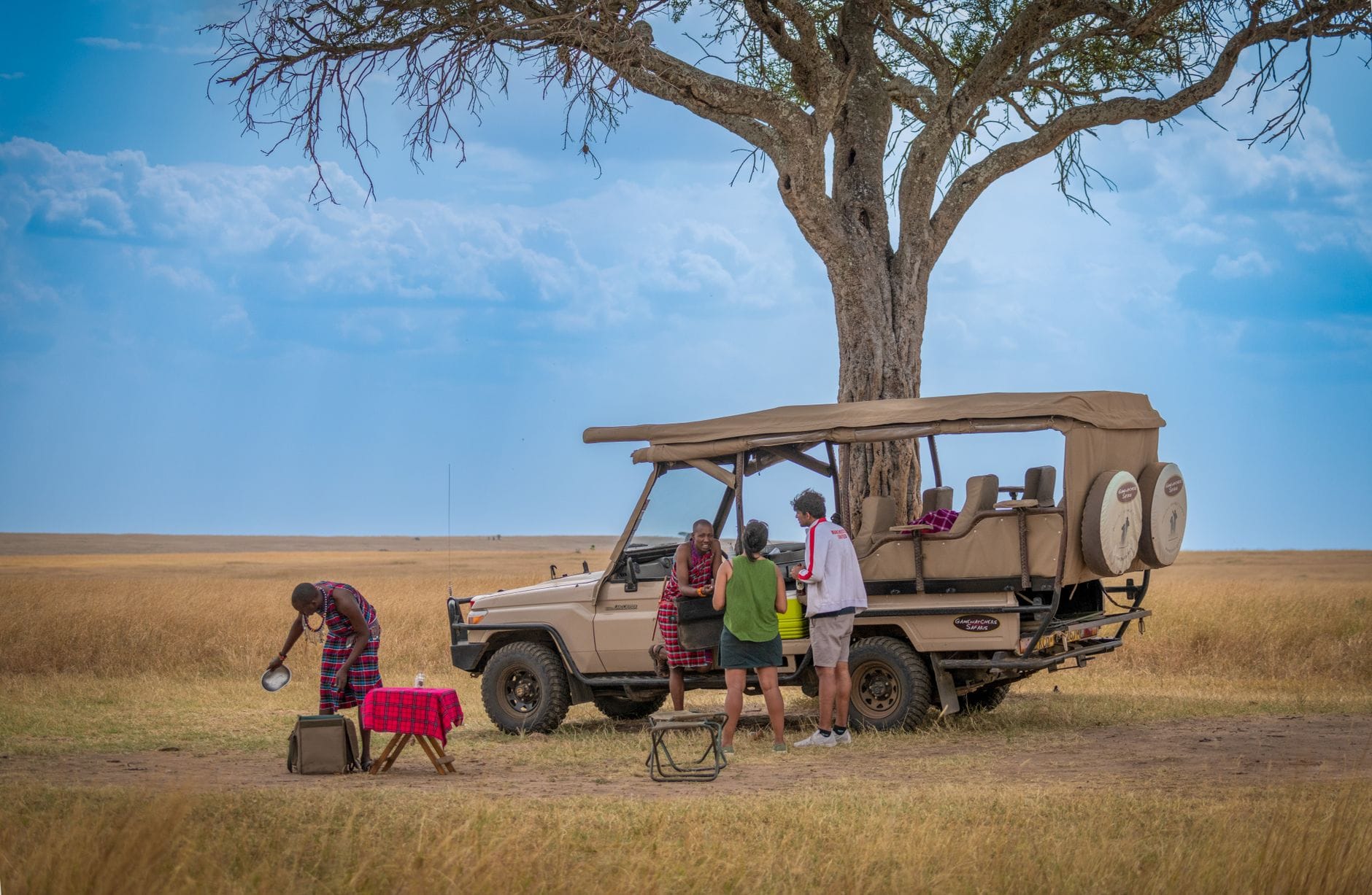
Anapano Tours takes deliberate measures to reduce the ecological footprint of every safari. From employing eco-conscious accommodations such as campsites and lodges that utilize sustainable energy and water-saving technologies, to limiting group sizes in sensitive wildlife zones, the company prioritizes minimal environmental impact. Jeep safaris and hot air balloon rides are carefully planned to avoid disrupting animal movement patterns, while waste management and responsible fuel use policies are strictly enforced. These eco-friendly safari practices are embedded not only in the operations but also communicated transparently to travelers, empowering them to become stewards of the natural world during their stay.
Empowering Local Communities Through Cultural and Conservation Collaborations
Beyond wildlife, Anapano Tours champions community cultural tours, particularly with Maasai and Samburu groups, offering travelers authentic encounters that support both cultural preservation and livelihoods. These experiences enable guests to learn about traditional lifestyles, conservation-linked crafts, and local environmental challenges firsthand. Importantly, a portion of proceeds funds community-led conservation projects and education, ensuring that tourism revenue benefits those living alongside Kenya’s wildlife. By fostering respectful, mutually beneficial relationships between visitors and indigenous communities, Anapano advances a sustainable model where cultural heritage and conservation efforts flourish together.
Wildlife Preservation Efforts and Client Participation
Conservation at Anapano extends beyond respectful tourism to proactive wildlife preservation activities. Safari guests often have opportunities to engage in initiatives such as anti-poaching awareness campaigns, wildlife monitoring programs, and habitat restoration projects facilitated by trusted partners. These hands-on experiences deepen travelers’ connection to Kenya’s diverse species and highlight the critical importance of conservation funding. By including these activities within select Kenya safari packages, Anapano ensures clients directly contribute to protecting endangered animals and fragile ecosystems, transforming each trip into a meaningful conservation contribution.
The Essential Role of Expert Local Guides in Ethical Safaris
A key pillar of Anapano’s conservation leadership is its cadre of highly trained, knowledgeable local guides. These experts are carefully selected for their ecological understanding, ethical approach, and cultural sensitivity. Their role goes beyond navigation—they educate visitors on responsible wildlife viewing standards, enforce safety protocols that prevent stress to animals, and provide critical supervision that reduces environmental harm. Guides serve as ambassadors for Kenya Safari Conservation, translating complex conservation topics into engaging stories and practical advice that inspire travelers to respect and protect the natural world well beyond their journey.
Tips for Travelers to Maximize Positive Conservation Impact
To enhance your contributions during a Kenya safari with Anapano, there are several tips to keep in mind. First, adhere strictly to your guide’s instructions on wildlife viewing distances and silence to avoid animal disturbance. Opt for safari options labeled eco-friendly or community supportive, and consider contributing to local conservation funds recommended by your operator. Packing reusable water bottles, minimizing plastic waste, and choosing sustainable travel gear also reduces your environmental footprint. Above all, approach every cultural and wildlife encounter with respect and curiosity, knowing your choices help safeguard Kenya’s wild heritage for future generations.
Conclusion: Embark on a Journey That Supports Sustainable Safari Conservation
When you book your Kenya safari with Anapano Tours and Safaris Ltd, you join a movement that goes beyond sightseeing to actively championing Kenya Safari Conservation. This uniquely ethical approach blends thrilling wildlife encounters, immersive cultural connections, and genuine community empowerment within eco-conscious travel frameworks. By choosing Anapano, you ensure your unforgettable safari adventure supports the protection of iconic species, their habitats, and the vibrant communities that sustain them. Experience Kenya with purpose—where your journey nurtures a sustainable future for Africa’s extraordinary wilderness.