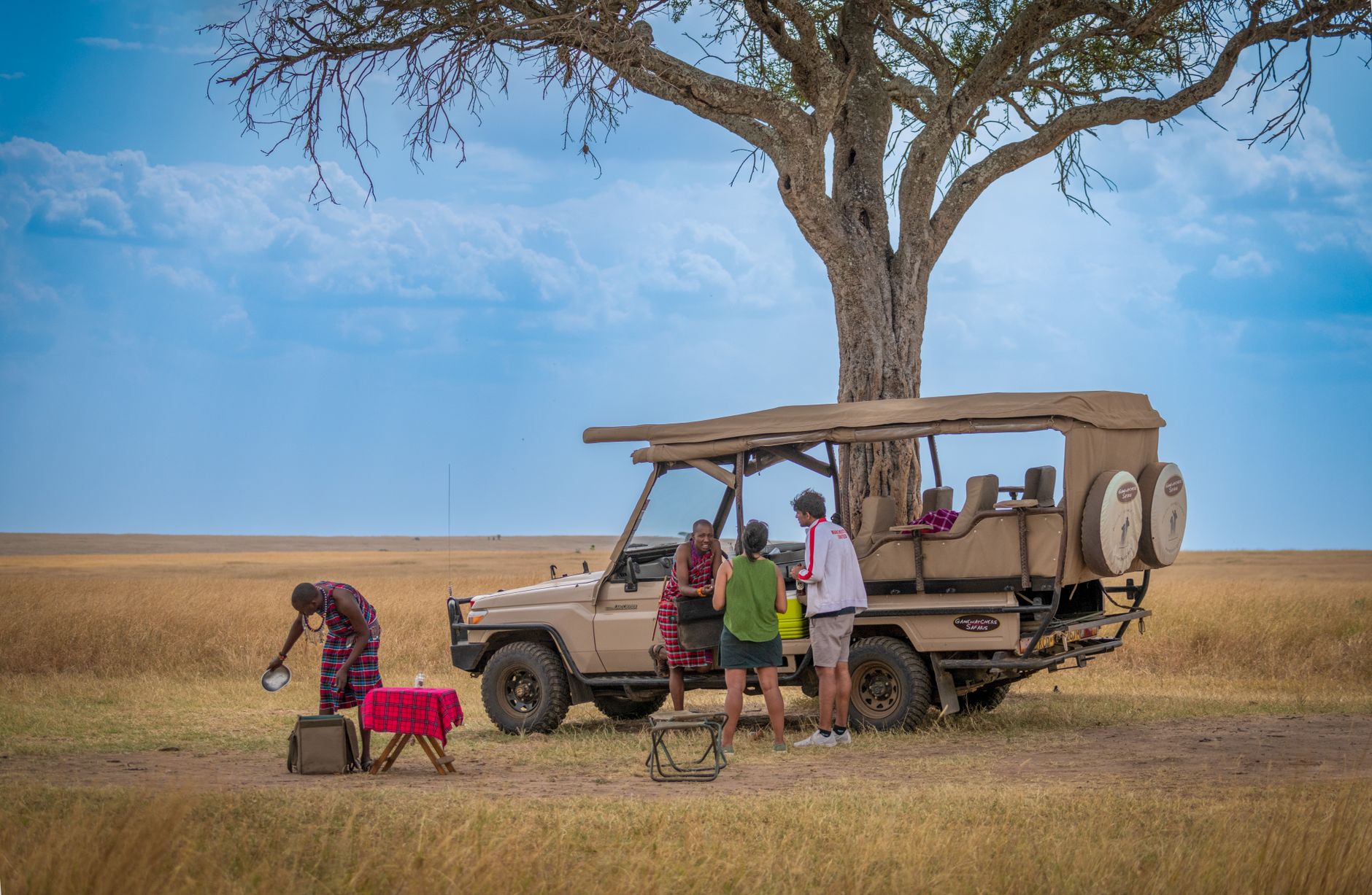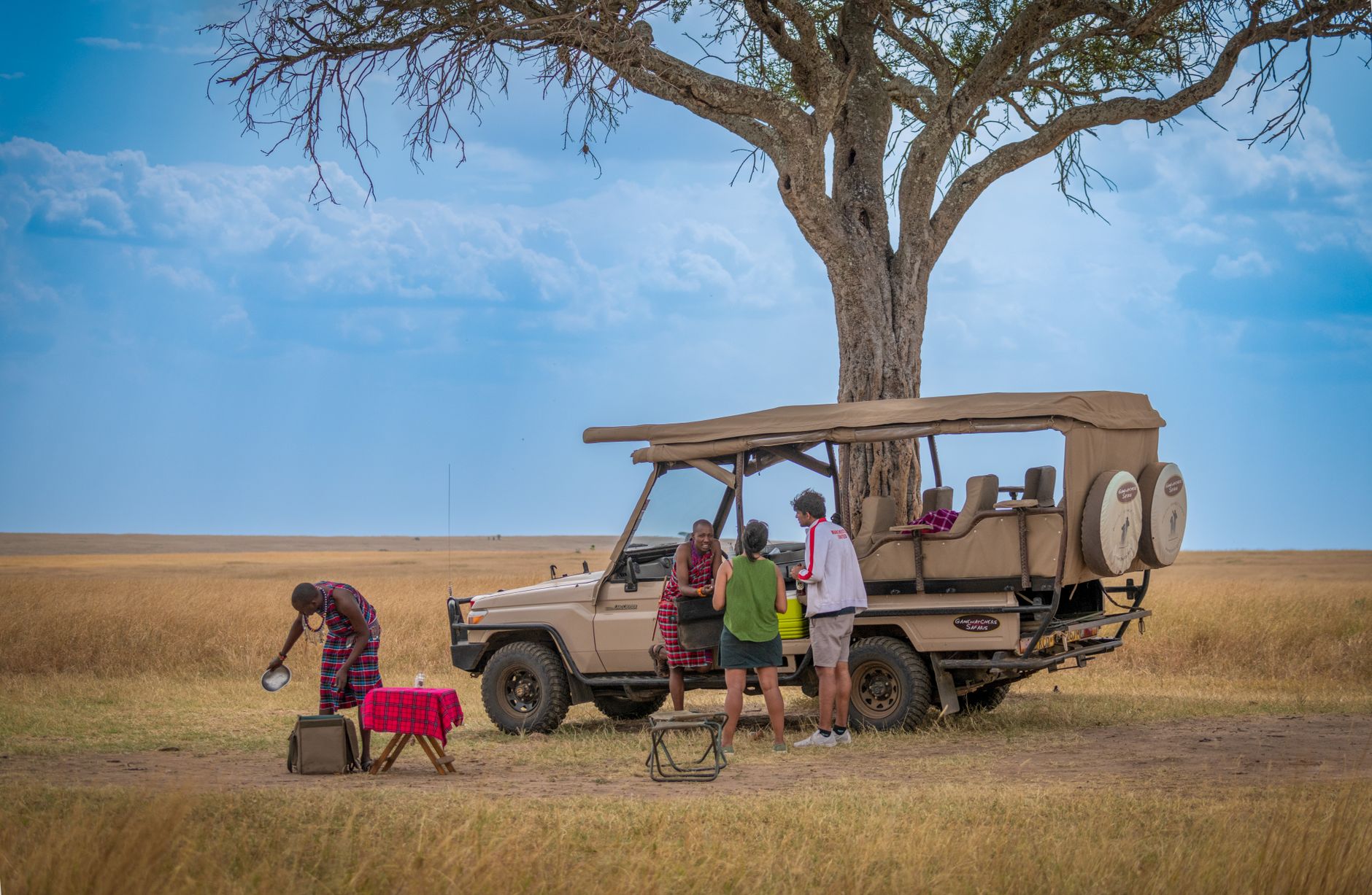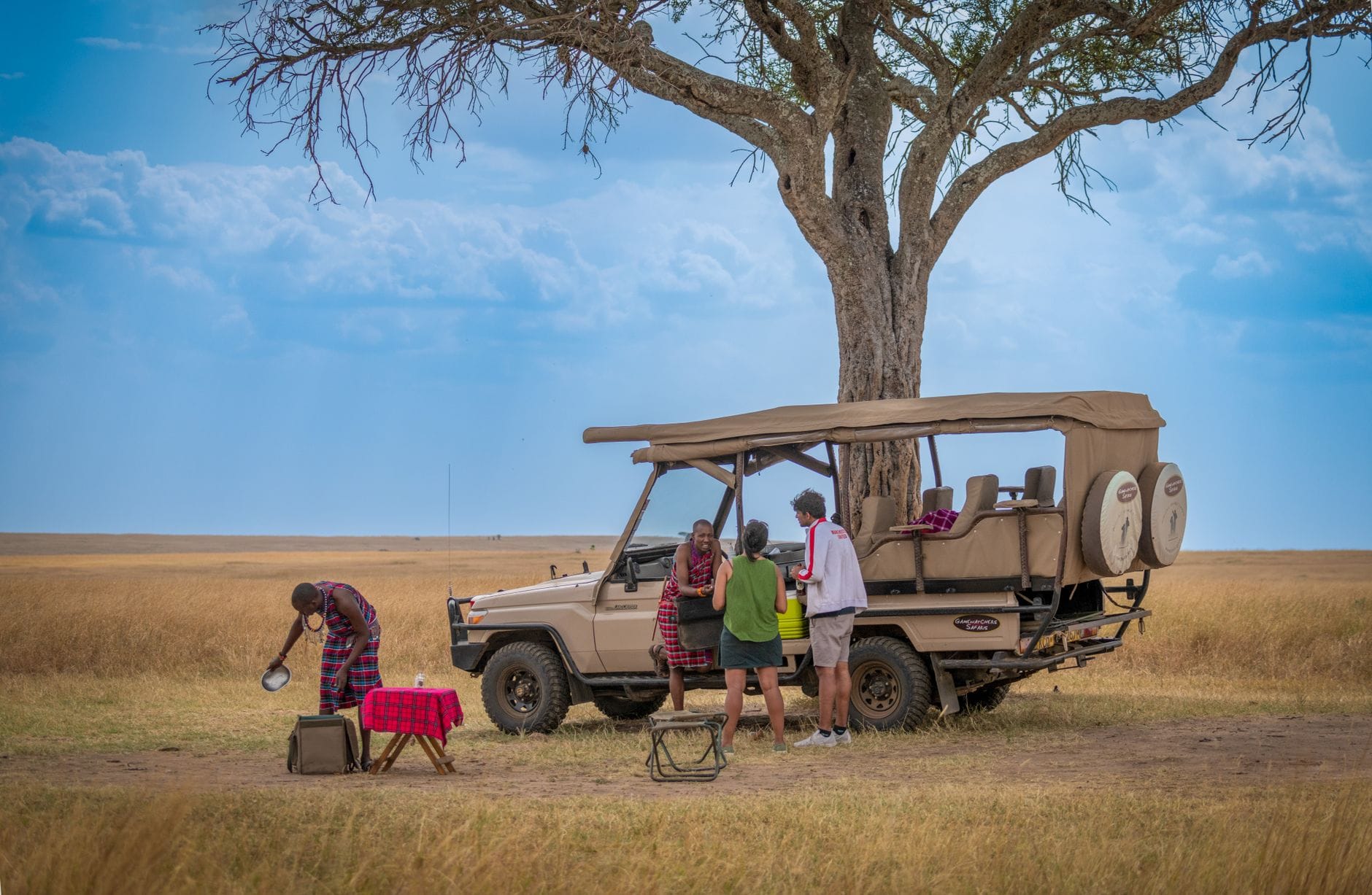
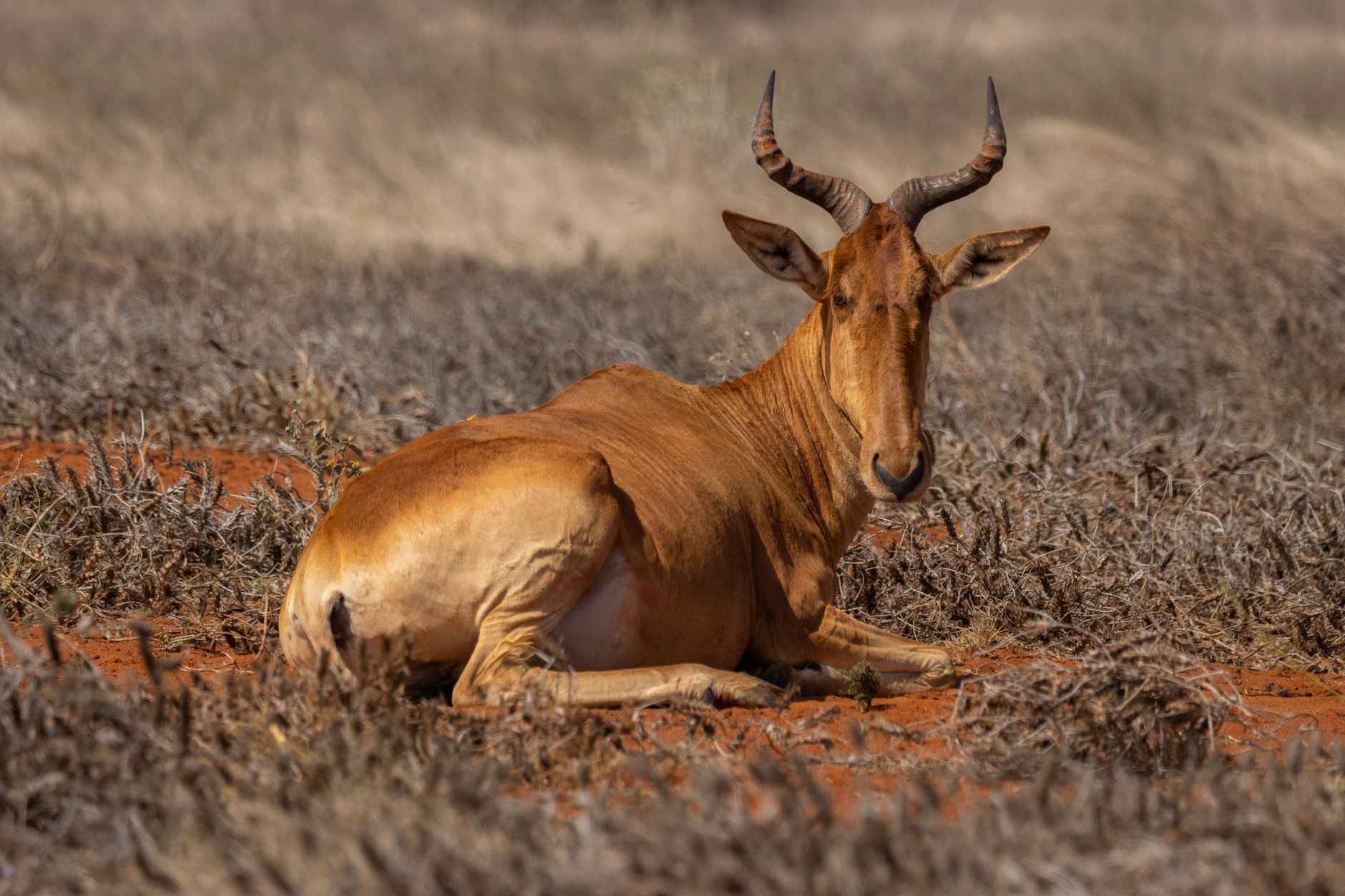
Planning the perfect time to visit Kenya’s iconic safari parks can make all the difference between a memorable wildlife encounter and missed opportunities. Kenya’s diverse climate zones and park ecosystems mean that each national reserve offers unique wildlife viewing experiences at particular times of the year. Whether your dream is to witness the legendary Great Migration in Maasai Mara, spot the majestic elephants against Mount Kilimanjaro in Amboseli, or explore the distinctive northern wildlife in Samburu, understanding the seasonal rhythms is key to maximizing your adventure. This expert guide provides you with park-specific insights, weather considerations, and travel tips to expertly plan your Kenya safari with Anapano Tours and Safaris Ltd.
Understanding Kenya’s Climate and Seasonal Impact on Wildlife
Kenya’s climate broadly categorizes into distinct wet and dry seasons, each influencing wildlife behavior and safari conditions. The long rainy season from March to May brings lush landscapes but also muddy roads and reduced wildlife visibility due to dispersed animals. Conversely, the dry season between June and October sets the stage for optimal game viewing as animals concentrate around water sources and vegetation thins out. However, within this general framework, regional variations are significant. For example, northern parks like Samburu experience shorter rainfall periods and distinct dry spells compared to the southern Maasai Mara. Recognizing these nuances allows travelers to select timings that align with their wildlife interests and preferred safari style, whether it’s a family-friendly jeep safari or an adventurous camping experience.
Seasonal Highlights and Best Visiting Periods by Park
Maasai Mara National Reserve: The Great Migration’s Spectacle
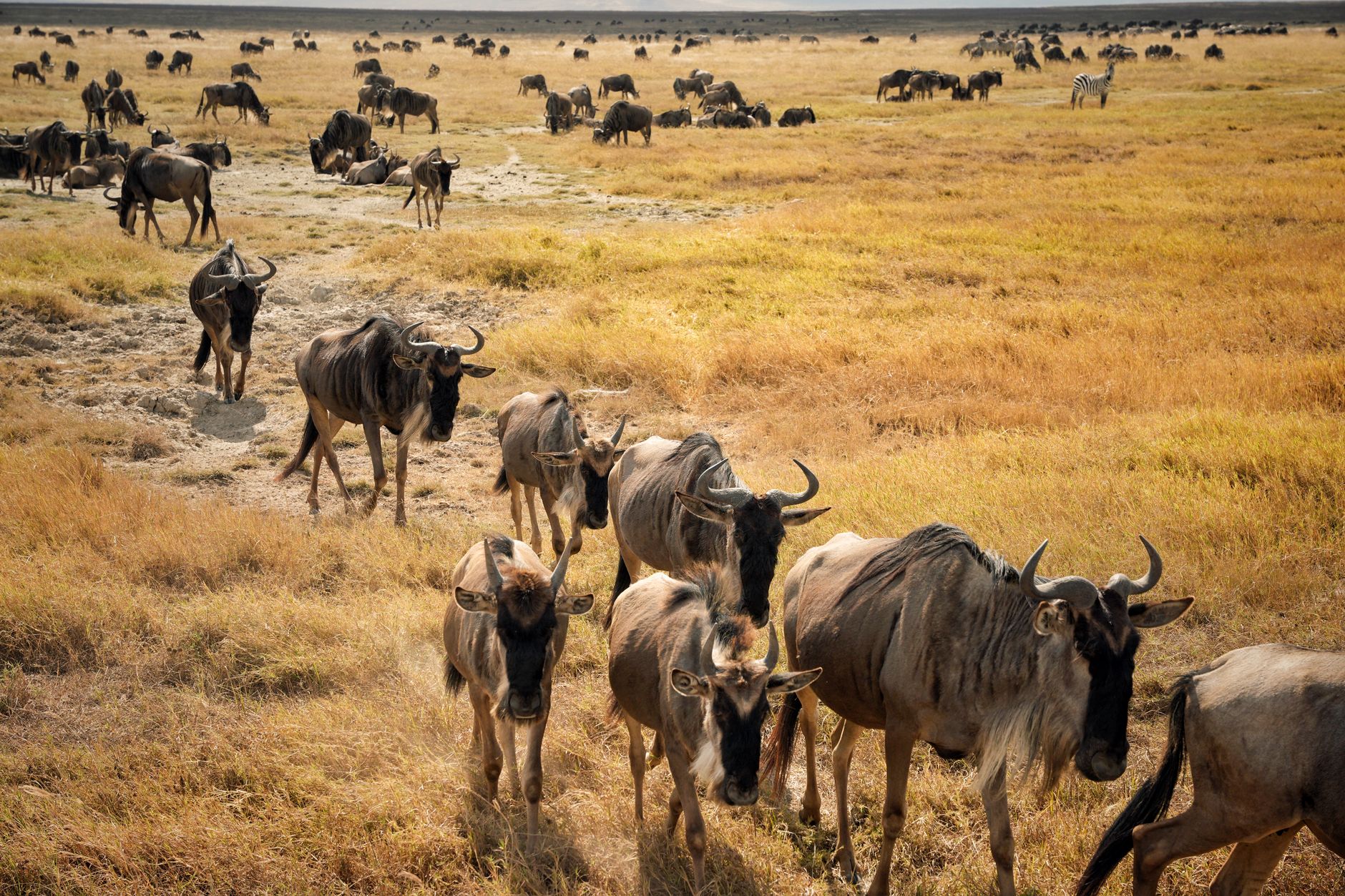
The Maasai Mara is internationally renowned for the Great Migration, an awe-inspiring natural wonder where over a million wildebeest, accompanied by zebras and gazelles, traverse the Mara River. The peak migration season typically runs from July through October. Early July sees the initial river crossings commence, with August to September offering the highest chances to witness dramatic predator-prey dynamics during crossings. This period is ideal for wildlife photographers seeking iconic moments and adventure seekers craving game-rich encounters. April and May mark the long rains, when the reserve emerges verdant but animal sightings are more dispersed—perfect for those wanting fewer crowds and lush scenery. Booking early with Anapano Tours ensures access to top-tier camps and balloon safari reservations during this sought-after window.
Amboseli National Park: Giants at the Foot of Kilimanjaro
Amboseli boasts one of the best elephant viewing experiences in Africa, set against the stunning backdrop of Mount Kilimanjaro. The dry months from June to October are optimal as elephants aggregate near waterholes, creating exceptional photo opportunities. December to February presents a secondary dry season with good game viewing but hotter temperatures. The wet seasons, particularly March to May, bring scattered wildlife but striking landscapes. Anapano’s experience-backed safari itineraries offer tailored stays ranging from midrange lodges to tented camps, accommodating those seeking either comfort or immersive camping adventures while emphasizing timely wildlife concentrations.
Samburu National Reserve: Northern Kenya’s Unique Wildlife
Samburu is famous for rare species like the reticulated giraffe, Grevy’s zebra, and gerenuk. The best time to visit aligns with dry spells from June to September when animals cluster near the Ewaso Nyiro River, improving sightings. During November to early April, scattered rains foster breeding activity and lush scenery but may challenge road access. Photographers and wildlife enthusiasts find Samburu’s semi-arid environment beautifully stark, with dramatic light conditions enhancing photographic results. Anapano’s guided tours facilitate safe and enriching exploration of this distinctive ecosystem, combining cultural encounters with thrilling jeep safaris.
Additional Parks and Wildlife Viewing Considerations
Tsavo East and West National Parks, encompassing some of Kenya’s largest protected areas, offer year-round viewing with a slight preference for the dry months between July and October. Lake Nakuru National Park is a birdwatcher’s paradise, with peak flamingo displays often observable towards the end of the dry season. For travelers interested in versatile safari styles, including hot air balloon safaris over Maasai Mara or camping expeditions in Tsavo, timing is crucial for both wildlife visibility and comfort against varying weather conditions. Anapano Tours’ custom packages integrate these considerations, ensuring your itinerary matches seasonal wildlife patterns and your personal adventure preferences.
Planning Your Safari Trip: Practical Tips and Booking Advice
Booking your Kenya safari well in advance, especially for peak Great Migration months, is essential to secure premium accommodation and specialist guides. Early June through October represents the busy high season, during which prices may be higher and demand intense. Shoulder seasons such as late January to March appeal to travelers seeking fewer crowds and considerate pricing, though with some compromise on wildlife concentrations. Families, photographers, and conservation-conscious travelers will find tailored advice invaluable—Anapano Tours provides expert guidance on visa requirements, health preparations, and packing checklists optimized for seasonal conditions. Safety is paramount, and selecting the right period for your travel goals enhances comfort and wildlife encounters alike.
Embracing Conservation and Responsible Tourism on Your Seasonal Safari
Anapano Tours is committed to supporting Kenya’s wildlife conservation initiatives by promoting ethical tourism practices aligned with seasonal wildlife dynamics. Visiting parks during seasons that minimize disturbance to breeding or migrating animals helps sustain these precious ecosystems. Participating in community cultural experiences offered along safari routes enriches your visit while contributing directly to local livelihoods. By choosing carefully timed safaris that respect wildlife patterns and environmental rhythms, you not only enjoy an unforgettable journey but also become part of fostering Kenya’s natural heritage for future generations.
Conclusion: Maximize Your Kenya Safari with Seasonal Expertise
Kenya’s wildlife reserves each come alive differently throughout the year, shaped by climate, animal movements, and ecological cycles. Selecting the right season to visit the Maasai Mara, Amboseli, Samburu, or other national parks greatly enhances your chances to witness Africa’s iconic animals in spectacular settings. By aligning your travel window with the detailed seasonal insights and expert-guided safari packages provided by Anapano Tours and Safaris Ltd, you position yourself for a seamless, thrilling, and deeply rewarding safari experience. Whether pursuing the Great Migration’s drama, elephant encounters, or northern Kenya’s rare wildlife, proper planning ensures every moment in Kenya’s wild heart is truly unforgettable.