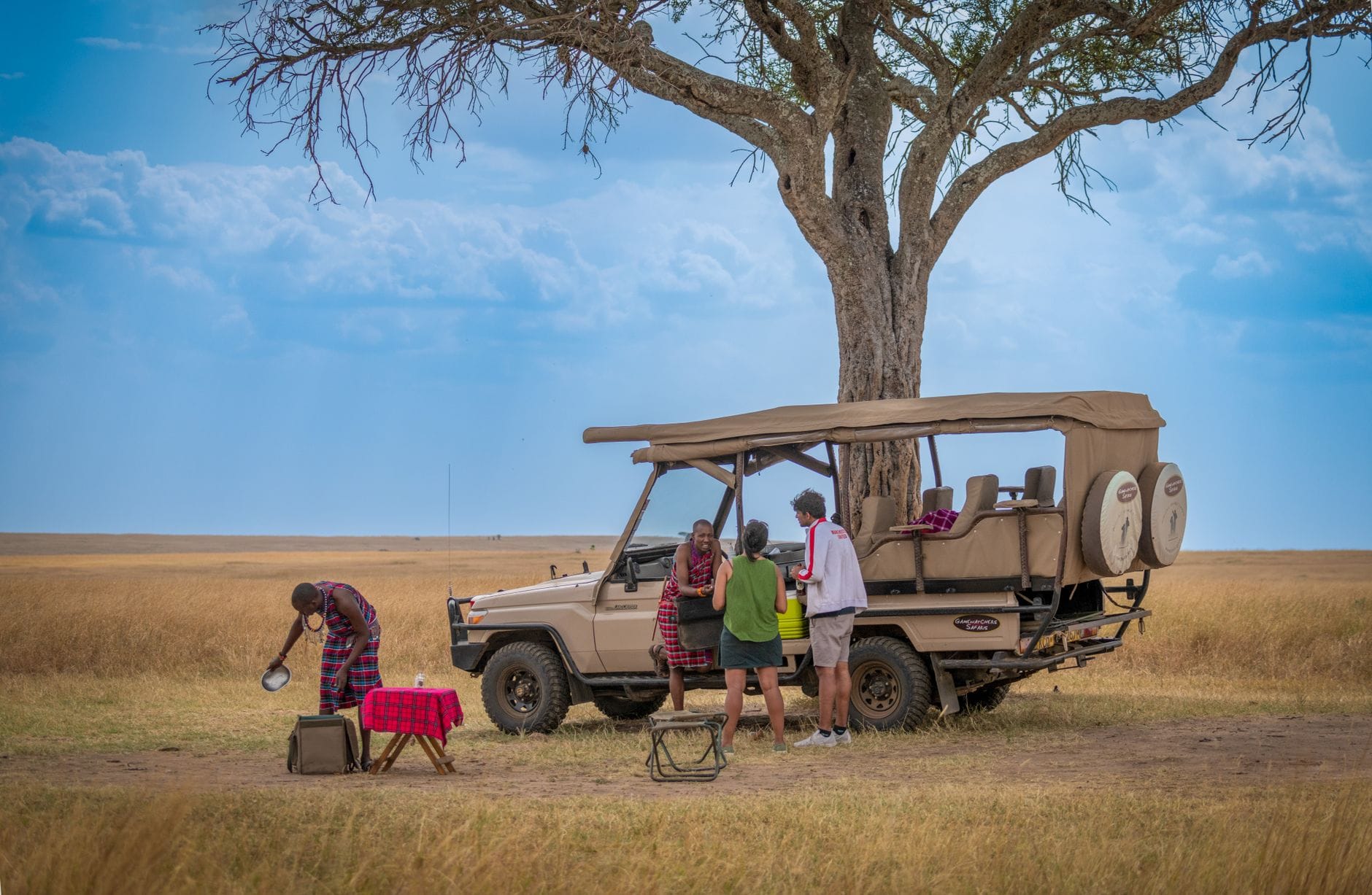
Embarking on a camping safari in Kenya offers an unparalleled way to immerse yourself in the continent’s quintessential wilderness. Unlike traditional lodge safaris, camping safaris invite you to experience the raw beauty of East Africa intimately, surrounded by the sights and sounds of the wild. Whether you’re traveling with family, chasing the perfect wildlife photograph, or seeking an adventurous escape, careful preparation and understanding of what to expect can transform your journey into a seamless, memorable adventure. This guide highlights essential preparation tips, family-friendly safety advice, and the responsible tourism practices championed by Anapano Tours, who specialize in authentic camping safari experiences across Kenya’s premier national parks.
Understanding Camping Safaris in Kenya with Anapano Tours
Camping safaris with Anapano Tours take you to iconic wildlife destinations like Maasai Mara National Reserve, Amboseli National Park, Samburu National Reserve, and Tsavo East. These safaris blend thrilling wildlife viewing with the convenience of personalized expert guidance and thoughtfully equipped campsites. Packages typically include accommodation in tents furnished with comfortable beds, all meals prepared using fresh local ingredients, reliable transfers between parks, park entrance fees, and the invaluable services of seasoned guides who enhance every game drive with their deep knowledge of animal behaviors and ecosystems.
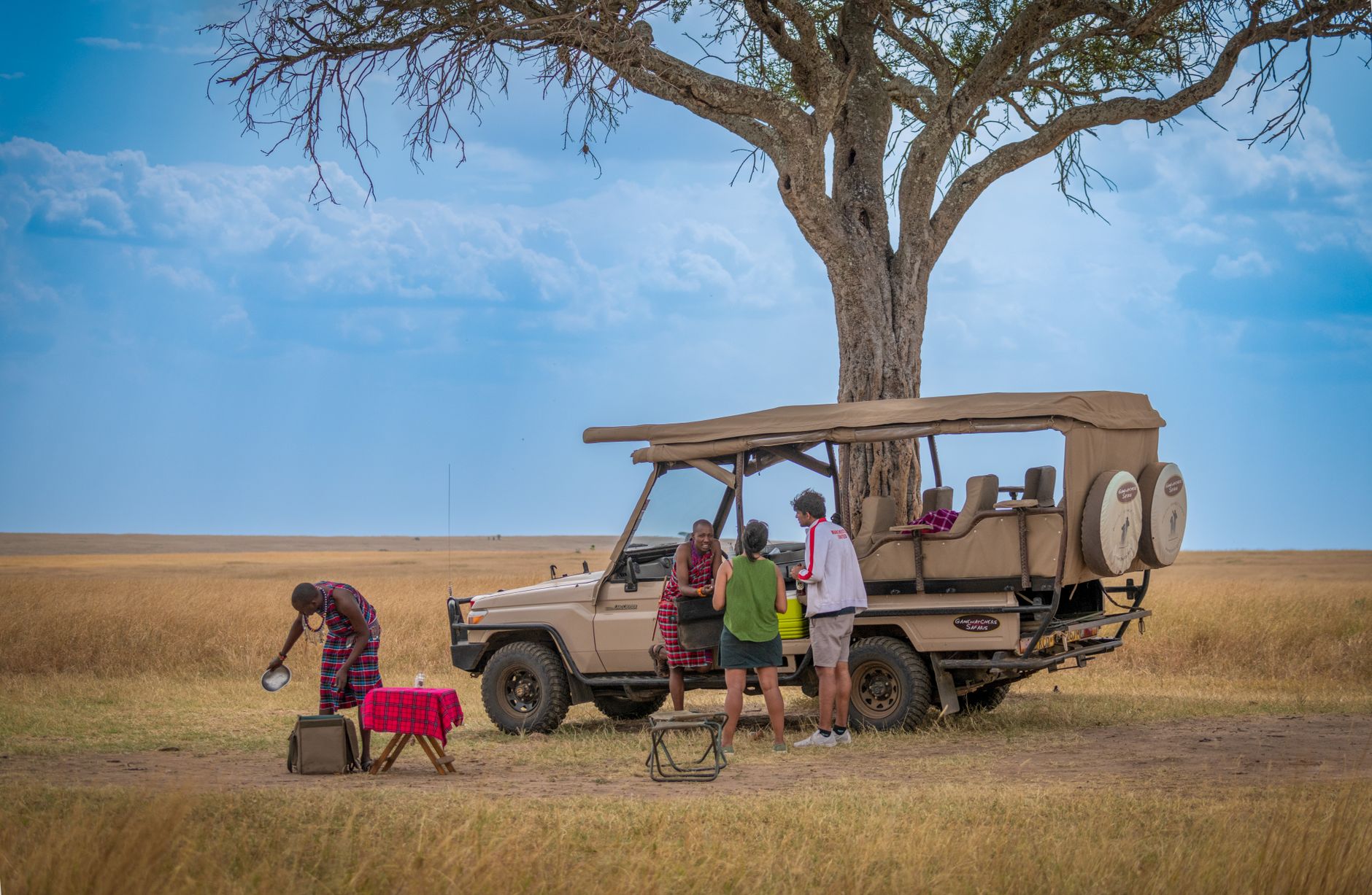
The camping setup allows travelers to stay close to nature, setting up camp in safe but remote areas rich with wildlife activity. Anapano’s commitment to comfort without compromising on authenticity means that guests can enjoy hot showers, quality bedding, and nutritious meals after exhilarating days spotting the African Big Five and other remarkable species. Whether you choose a multi-day itinerary in the Maasai Mara during the Great Migration or a more intimate family-focused stay in Amboseli with views of Mount Kilimanjaro, Anapano Tours ensures every detail is tailored to your preferences, balancing adventure, comfort, and conservation.
Essential Preparation and Packing Tips for Your Camping Safari
Success on a camping safari depends largely on thoughtful preparation and packing. Essential items include lightweight, breathable clothing in neutral tones to avoid startling animals, sturdy walking shoes, a wide-brimmed hat, and sunglasses to protect against the African sun. Practical accessories like insect repellent, sunscreen, a reusable water bottle, and a basic first-aid kit are indispensable. Since camping safaris often involve early morning game drives and evenings around the campfire, layering is key to manage temperature shifts. For wildlife photographers, a good quality telephoto lens and extra batteries ensure capturing those unforgettable moments without disruption.
Anapano Tours provides comprehensive packing checklists tailored specifically to camping safari conditions, helping travelers avoid overpacking while ensuring no critical gear is overlooked. The company’s expert pre-trip consultation addresses luggage constraints typical of safari vehicles and discusses health precautions such as malaria prophylaxis and required vaccinations for entering Kenya. Being well-prepared not only enhances your comfort but also maximizes safety, ensuring you stay focused on the incredible wildlife encounters ahead.
Family-Friendly Safari Safety and Enjoyment
Traveling with children on a camping safari calls for special considerations to ensure everyone’s safety and enjoyment. Anapano Tours excels in creating family-friendly safari itineraries that include age-appropriate activities, safe camping environments, and well-trained guides vigilant about child safety. Campsites are carefully chosen to be secure, with protocols such as guided walks on designated paths and campfires safely monitored after dark. Guidelines regarding wildlife proximity and behavior are clearly communicated to all family members.
Beyond safety, Anapano fosters rich educational experiences for young travelers, sharing insights on wildlife conservation, Maasai and Samburu cultures, and the importance of respecting natural habitats. This approach makes the safari not only a thrilling adventure but also a valuable opportunity to inspire conservation-minded values from an early age. By addressing family-specific needs, Anapano Tours ensures your safari holiday is both safe and deeply rewarding for every member of your group.
Seasonal Wildlife Highlights and Best Times for Camping Safaris
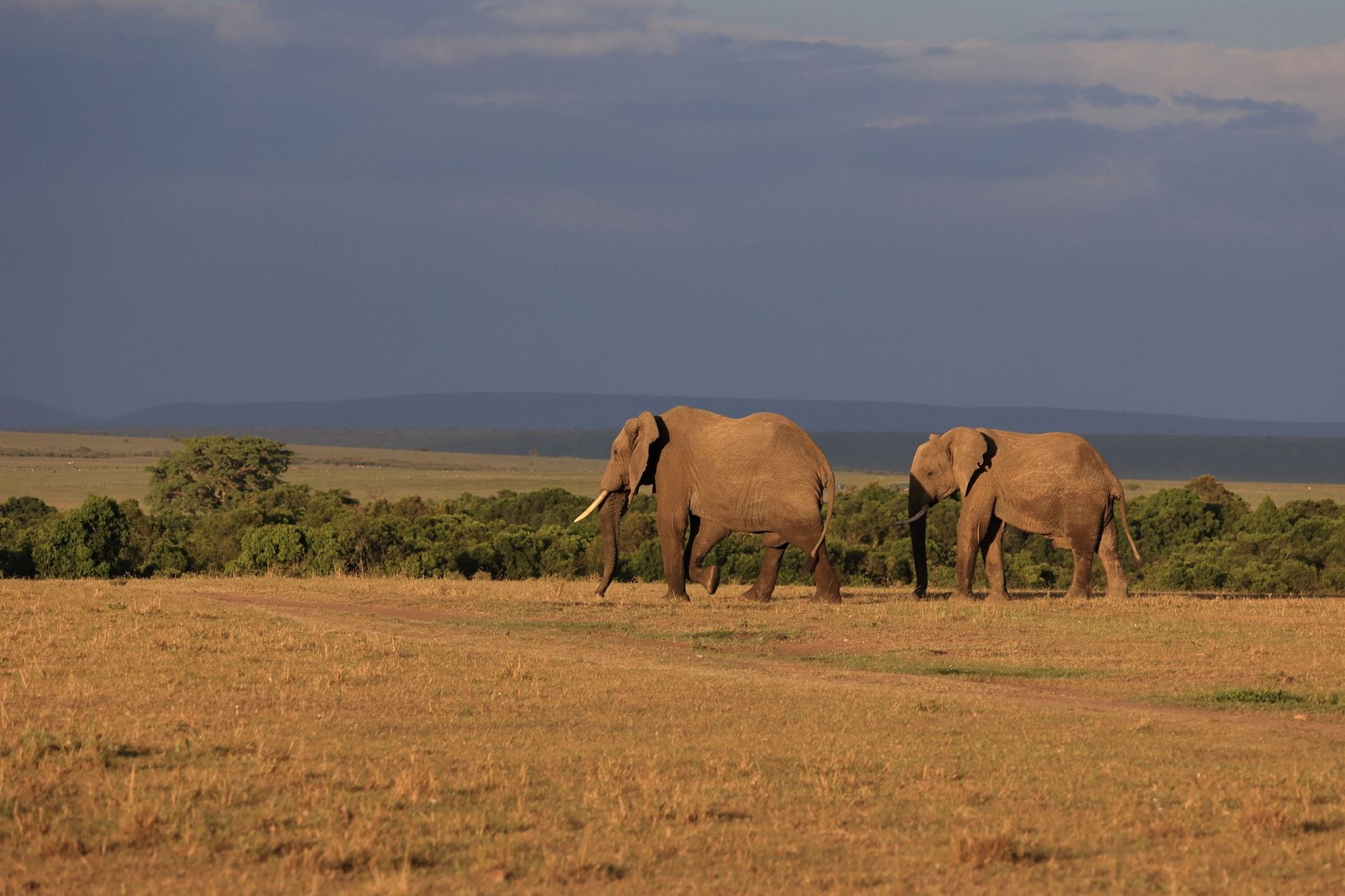
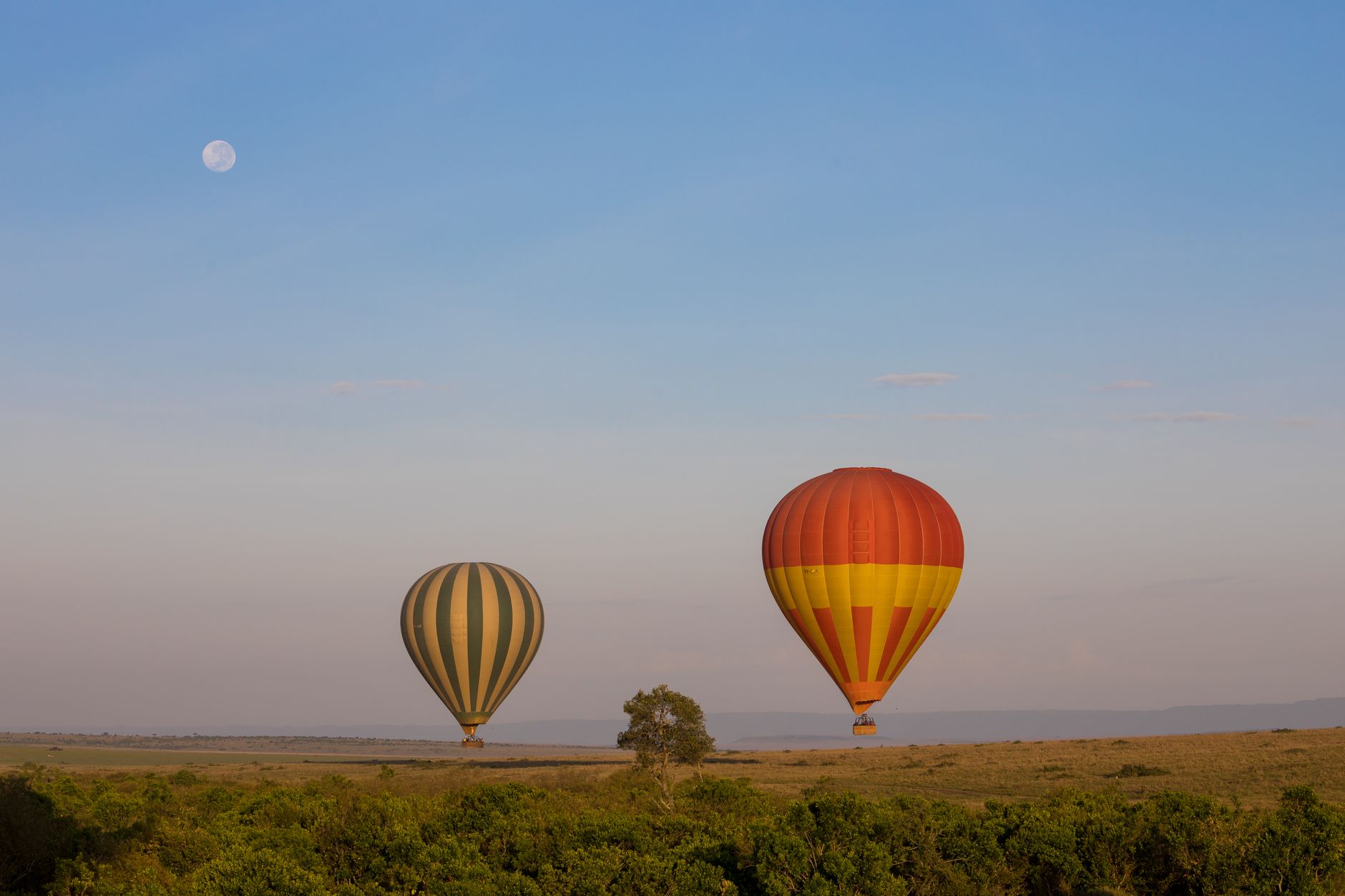
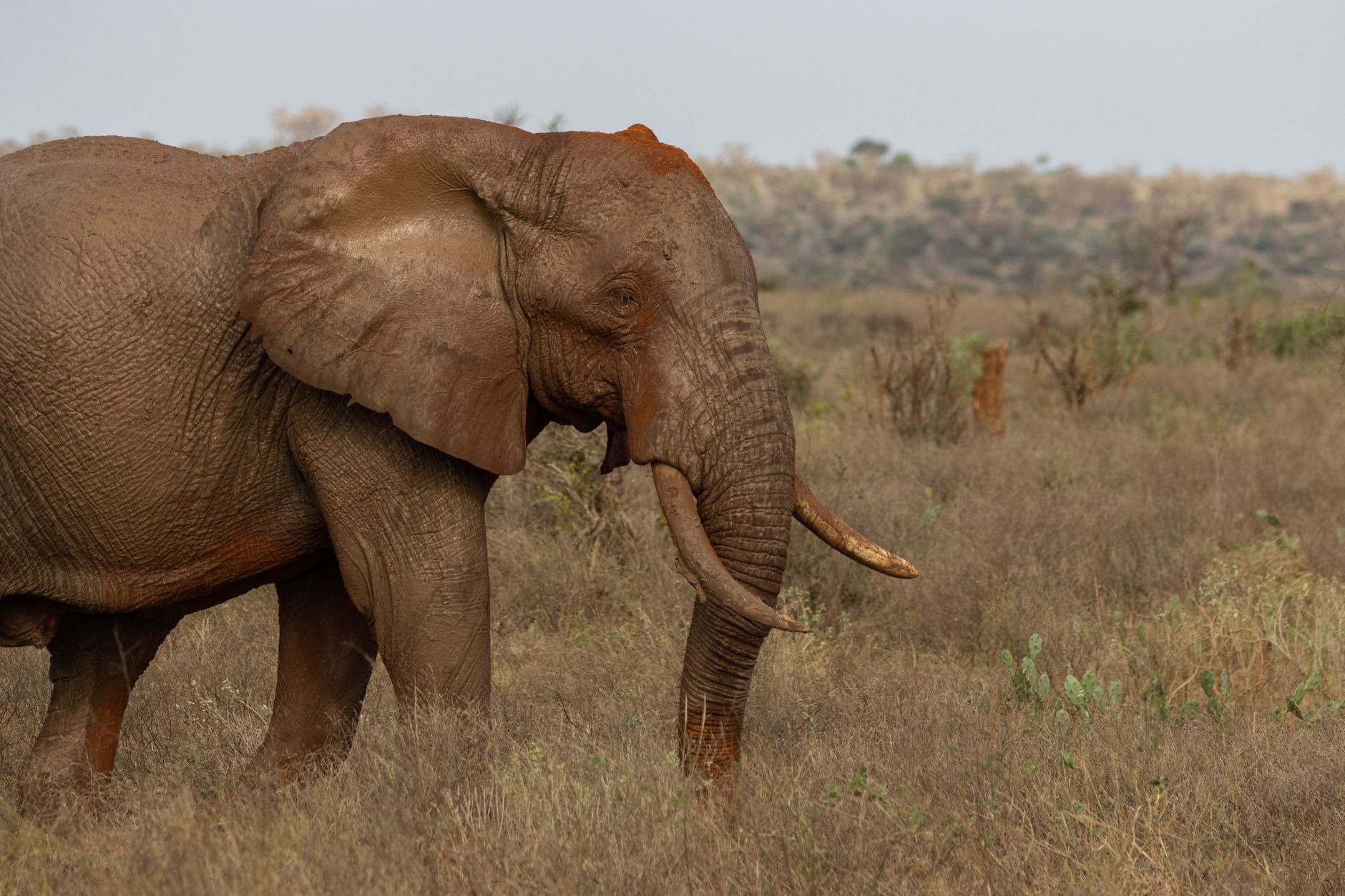
Timing your camping safari is crucial to experiencing Kenya’s spectacular wildlife at its best. The Great Migration in the Maasai Mara between July and October remains the standout event, offering chances to witness massive herds of wildebeest and zebra crossing the Mara River. Amboseli’s dry season between June and October is ideal for viewing large elephant populations against the stunning backdrop of Mount Kilimanjaro, while Samburu and Tsavo’s unique northern and southern ecosystems showcase rare species like the Grevy’s zebra and the giant black rhino throughout the year.
Anapano Tours advises on the most suitable parks and seasons based on your safari interests, be it birdwatching, predator spotting, or photography. Their expertly guided itineraries ensure you arrive at prime locations during peak animal activity, dramatically increasing your chances of remarkable sightings. Integrating this knowledge into your trip planning allows you to enjoy Kenya’s extraordinary biodiversity fully and safely from your campsite.
Commitment to Responsible Tourism and Conservation
Beyond delivering exceptional safari adventures, Anapano Tours places a strong emphasis on responsible tourism and conservation. Each camping safari is designed to minimize environmental impact by using eco-friendly products, limiting waste, and selecting campsites that support sustainable practices. Visitors are encouraged to follow ethical wildlife viewing guidelines that prevent disturbance and promote animal welfare.
Moreover, Anapano actively collaborates with local communities and conservation projects, ensuring that tourism benefits the regions’ indigenous people and wildlife alike. Guests often have the opportunity to engage in community visits and learn about ongoing efforts to protect endangered species and habitats. By choosing Anapano’s camping safaris, travelers contribute directly to preserving Kenya’s natural heritage for generations to come.
Booking with Confidence: Personalized Support and Safety
Booking a camping safari with Anapano Tours is a straightforward process supported by expert advice at every stage. From initial inquiry to final itinerary confirmation, a dedicated travel consultant guides you through package options, inclusions, and pricing tailored to your preferences and budget. The company offers 24/7 support during your travel, including emergency assistance and detailed pre-trip briefings.
Safety remains paramount, with well-trained guides, reliable transport, and adherence to Kenyan wildlife park regulations ensuring your trip is both thrilling and secure. Anapano’s transparent communication regarding health requirements, park fees, and travel logistics provides peace of mind, allowing you to focus fully on the awe-inspiring safari experience ahead.
Conclusion
A camping safari in Kenya with Anapano Tours is more than a trip; it’s an invitation to connect deeply with Africa’s wild heart while enjoying expert support, family-safe environments, and responsible travel ethics. By preparing thoughtfully, understanding what the safari packages include, and embracing the company’s conservation commitment, you unlock the full potential of this authentic adventure. Whether it’s your first safari or a return journey, Anapano Tours provides the knowledge, safety, and personalized care to make your camping safari an unforgettable chapter in your travel story.