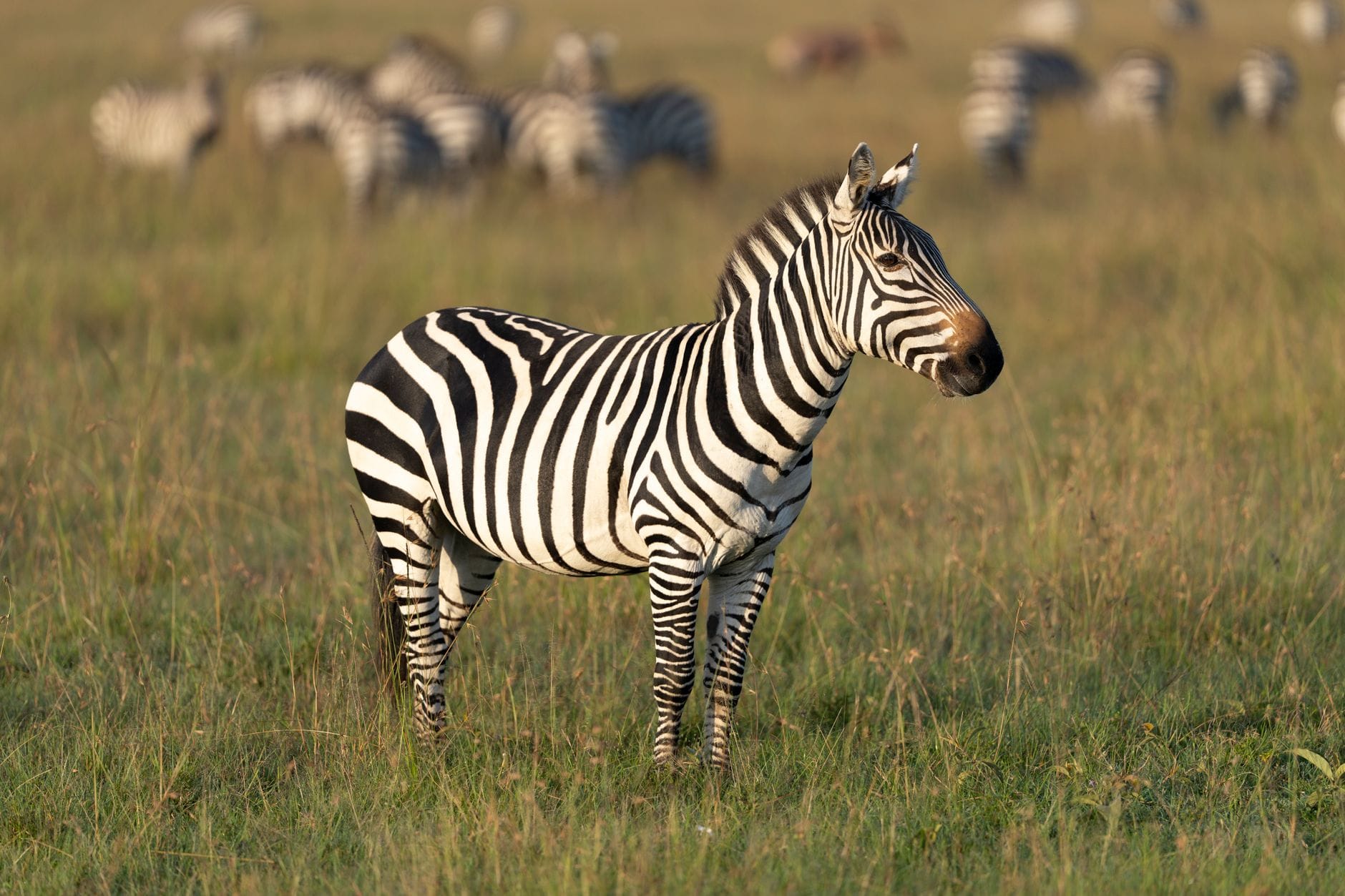
Embarking on a photographic safari to witness Kenya’s Great Migration is an unforgettable journey for wildlife enthusiasts and professional photographers alike. This spectacular annual event, where over a million wildebeest, zebras, and gazelles traverse the plains of the Maasai Mara and Serengeti ecosystems, offers dramatic scenes teeming with life and natural drama. Successfully capturing these moments demands not only a passion for wildlife but also strategic planning, expert techniques, and a deep appreciation for the environment you’re photographing. Whether you’re a seasoned nature photographer or a first-time safari-goer eager to immortalize the African Big Five in action, understanding the nuances of photographic safari experiences can transform your trip into a story of stunning visuals and unforgettable memories.
Understanding the Great Migration and Optimal Timing for Photography
The Great Migration is a dynamic, year-round phenomenon, but key phases provide especially fruitful photographic opportunities. In Kenya, the Maasai Mara National Reserve is the prime destination from July through October when herds cross the Mara River, creating iconic images of thundering animals and dramatic predator-prey interactions. Timing your visit during these months maximizes chances to witness river crossings, calf births, and vast animal congregations in golden light conditions. Anapano Tours specializes in scheduling photographic safari packages aligned with these peak moments, ensuring you are positioned in ideal locations at the right times to capture the migration’s spectacular highlights.
Choosing and Setting the Right Equipment for Migration Safaris
Wildlife photography on safari requires deliberate choices in gear to adapt to rapidly changing environments and unpredictable animal behavior. Telephoto lenses in the 300-600mm range are essential for capturing detailed portraits and action shots from safe distances, while wider lenses (24-70mm or 16-35mm) help incorporate expansive landscapes and herds in one frame. Fast shutter speeds paired with continuous autofocus modes enable you to freeze the swift movements of wilder beasts and hunting predators. It’s equally important to bring sturdy tripods or monopods for stability during long shoots, extra batteries, and sufficient memory cards, considering the remote nature of safari environments. Anapano Tours’ photographic safari guides advise clients on optimal camera settings tuned to African light conditions—often favoring early mornings and late afternoons for soft, warm hues—and can provide hands-on support throughout your journey.
Park-Specific Insights: Mastering Photography Spots in Maasai Mara and Beyond
The Maasai Mara remains the heartland for Great Migration snapshots, especially at riverbanks where crossings against crocodile-filled waters create suspenseful frames. However, understanding the subtle geography of the reserve enhances your photographic prospects. Areas like the Talek River and the Mara Triangle offer quieter, less crowded vantage points while retaining excellent wildlife diversity. Beyond Maasai Mara, other parks like Amboseli and Samburu provide complementary photographic experiences, with Amboseli’s iconic elephant herds juxtaposed against Mount Kilimanjaro’s silhouette. Anapano Tours’ expert local guides have intimate park knowledge and can tailor jeep safari routes to position photographers for unobstructed views, lighting advantages, and unique animal behavior moments, elevating both the quality and variety of your photo portfolio.
Effective Techniques for Capturing Dynamic Wildlife Behavior
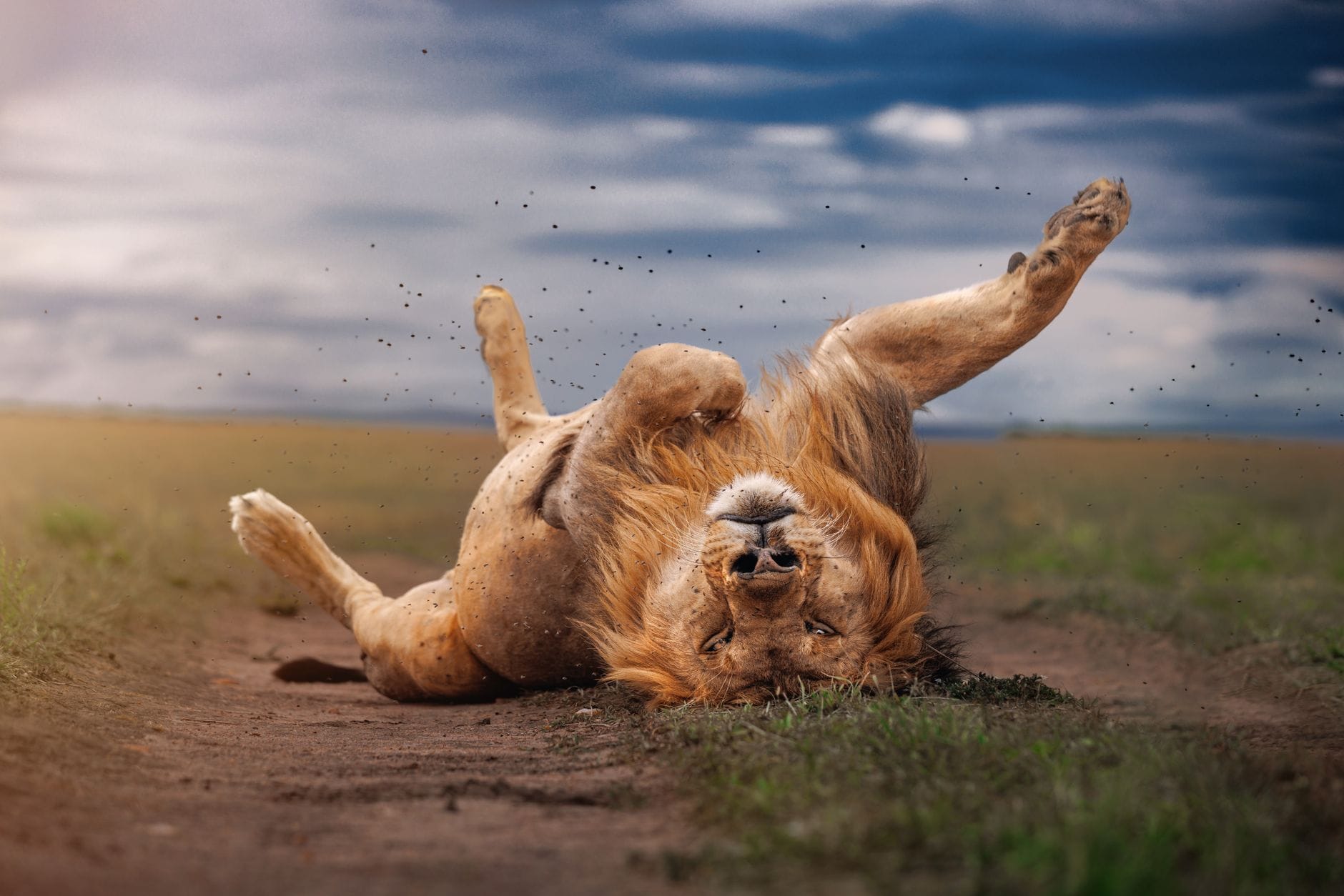
Dynamic wildlife photography requires a blend of anticipation, patience, and compositional skill. Use burst shooting to capture sequences of swift action — such as a crossing herd or a predator’s chase — to select from multiple frames later. Framing your subject with natural elements like acacia trees or tall grasses adds context and depth, while varying perspectives, from low angles to emphasize scale to overhead views during hot air balloon safaris, introduce creative variety. Play with depth of field to isolate animals against soft backgrounds or include environmental textures to tell a wider story. Your timing around the changing light of dawn and dusk further accentuates textures and colors. Anapano Tours incorporates photographic skill-building into their guided safaris, offering tips along the way and sometimes facilitating hot air balloon flights, which open unique aerial perspectives on the migration.
Ethical Wildlife Photography and Responsible Safari Practices
Respecting animal welfare and conservation principles is essential for every photographer on safari. Maintain safe distances and avoid intrusive behavior that might stress or alter animal movement. Use your zoom lens advantageously rather than attempting close approach. Anapano Tours champions responsible tourism: their guides are trained to interpret animal cues for minimal disturbance and to educate clients about conservation impacts. By supporting ethical photography and eco-friendly safari practices, you contribute to protecting the very ecosystems that make Kenya’s wildlife so extraordinary, helping ensure these migrations endure for future generations of photographers and travelers alike.
Preparing for a Photographic Safari with Anapano Tours
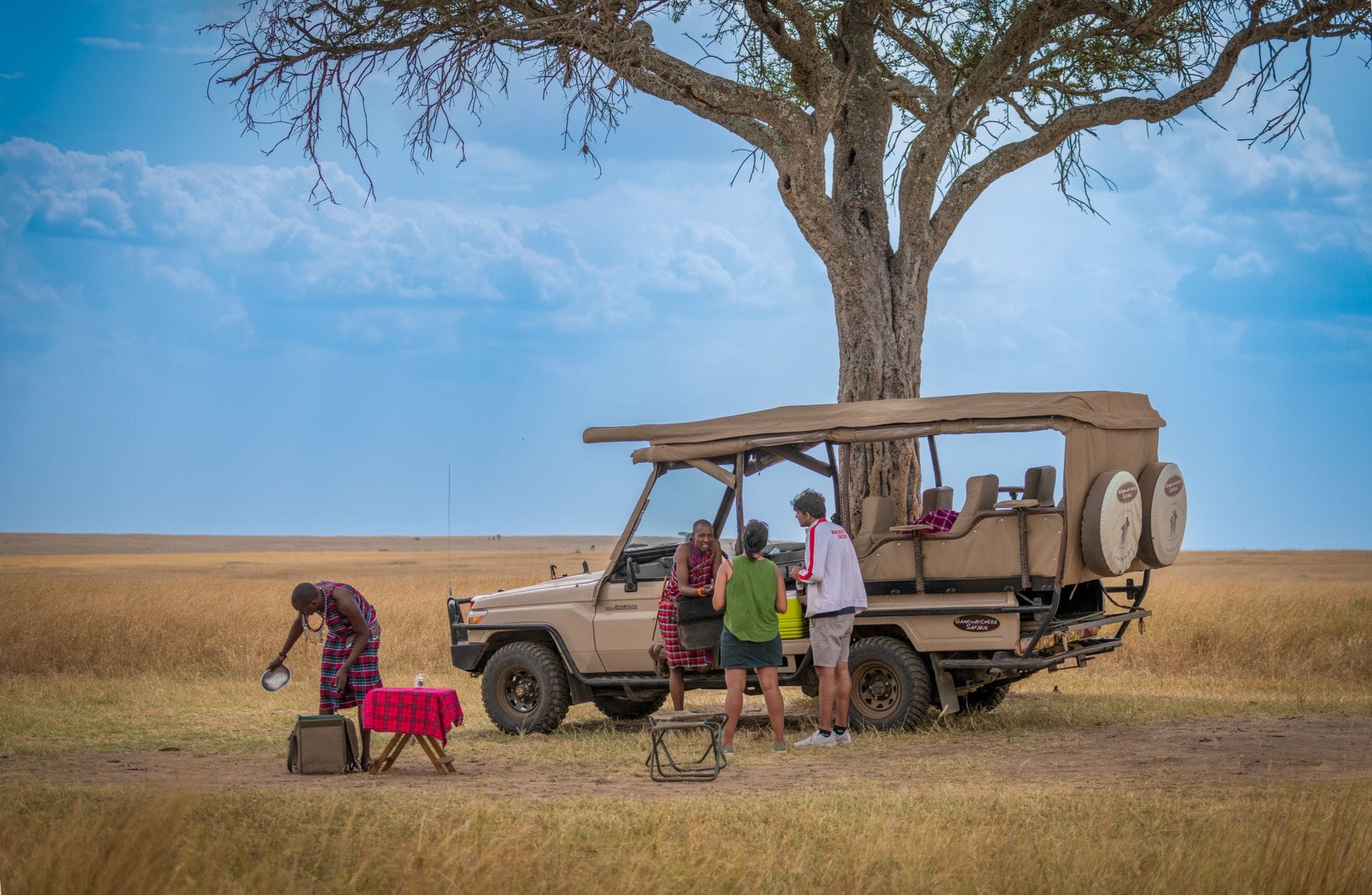
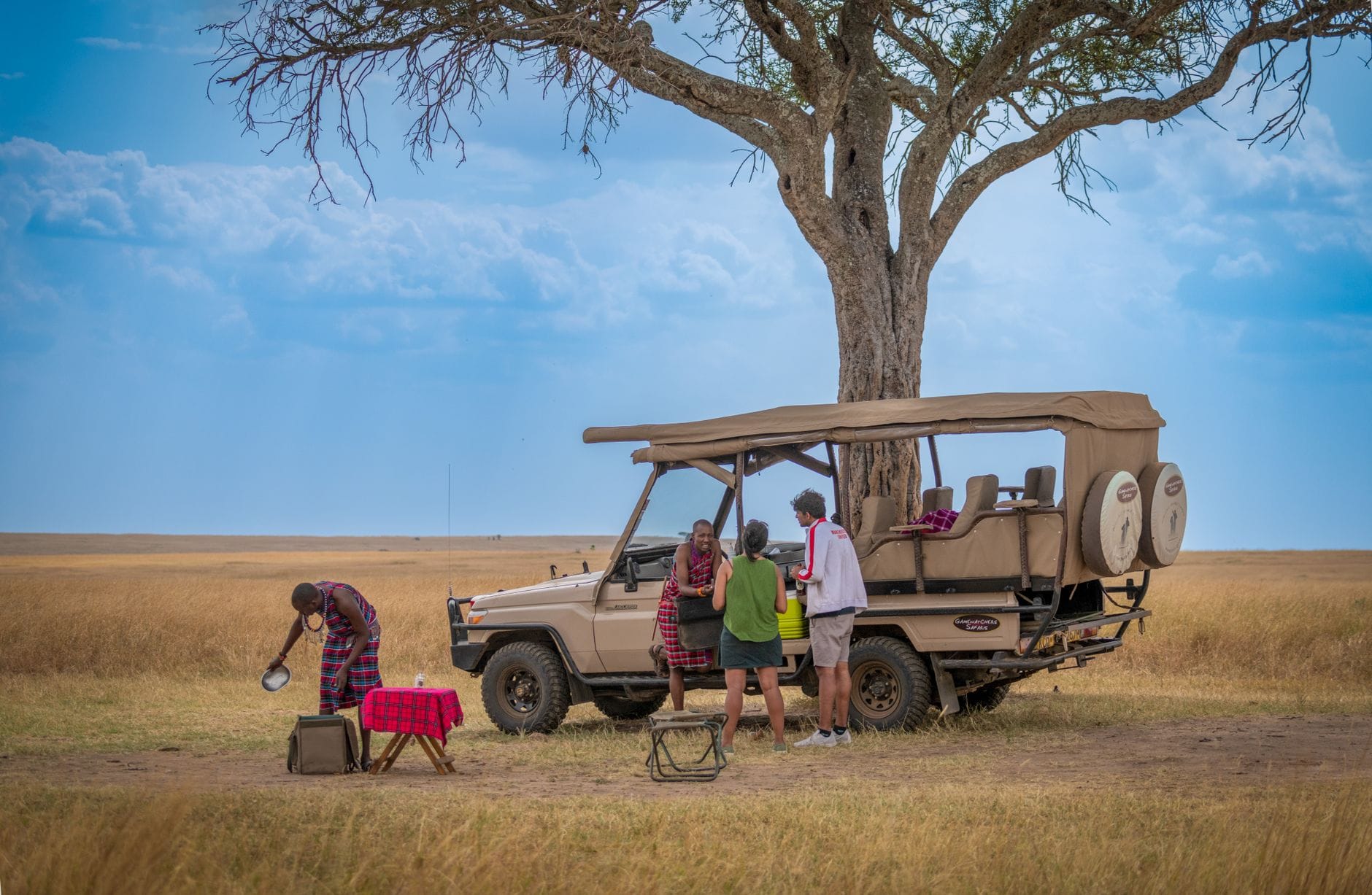
To maximize your photographic safari experience, thorough preparation is key. Pack versatile clothing suited to varying temperatures, a sturdy camera bag with weather protection, lens cleaning kits, and insect repellent. Consider travel logistics carefully: securing your safari during the peak migration months, arranging reliable transport and accommodation such as mobile camping safaris or midrange lodges, and setting clear expectations with your safari guides about photography goals. Anapano Tours provides personalized itinerary planning and expert 24/7 booking support that handles all logistics, from airport transfers to park permits, allowing you to focus fully on capturing Kenya’s iconic wildlife moments. Their comprehensive safari packages integrate photographic guidance, seasoned local guides, and conservation awareness, creating a seamless, fulfilling adventure for photographers of all skill levels.
Conclusion: Elevate Your Great Migration Experience with Expert Photography Insights
Capturing the Great Migration in Kenya is a once-in-a-lifetime opportunity, blending the thrill of safari adventure with the art of wildlife photography. By harnessing expert knowledge on timing, equipment, park-specific vantage points, photographic techniques, and ethical practices, you position yourself to create enduring images that tell the story of this extraordinary natural spectacle. Anapano Tours and Safaris Ltd stands ready to guide you through every detail with tailored photographic safari packages, skilled local guides, and dedicated support, ensuring your journey is not only successful behind the lens but also mindful of Kenya’s precious wildlife heritage. Embark on this transformative safari with confidence, and return with memories—and photographs—that will inspire for years to come.