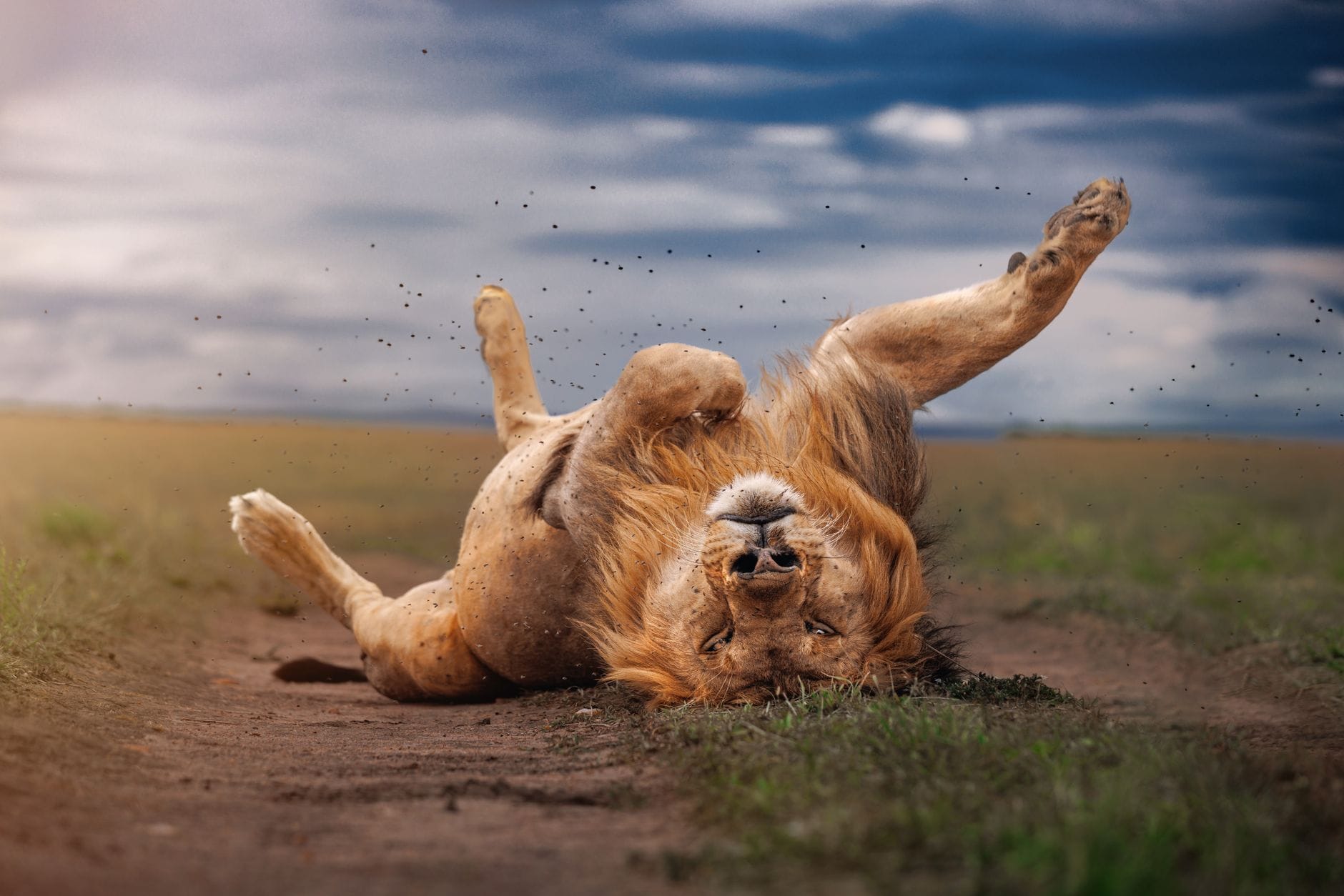
Kenya stands as one of the world’s premier safari photography destinations, offering wildlife enthusiasts unparalleled access to majestic animals and breathtaking landscapes. For photographers, whether professional or passionate hobbyists, capturing the raw beauty of East African wildlife amidst the vibrant ecosystems is both thrilling and challenging. Mastering safari photography in Kenya requires thoughtful preparation, a keen understanding of the country’s best photographic parks and seasons, as well as expert guidance to navigate the dynamic safari environment. This guide dives deep into expert tips, highlights the best parks to visit, and explores how Anapano Tours and Safaris Ltd customizes photo-friendly safaris to elevate your wildlife photography experience.
Choosing the Best Kenya Parks and Seasons for Safari Photography
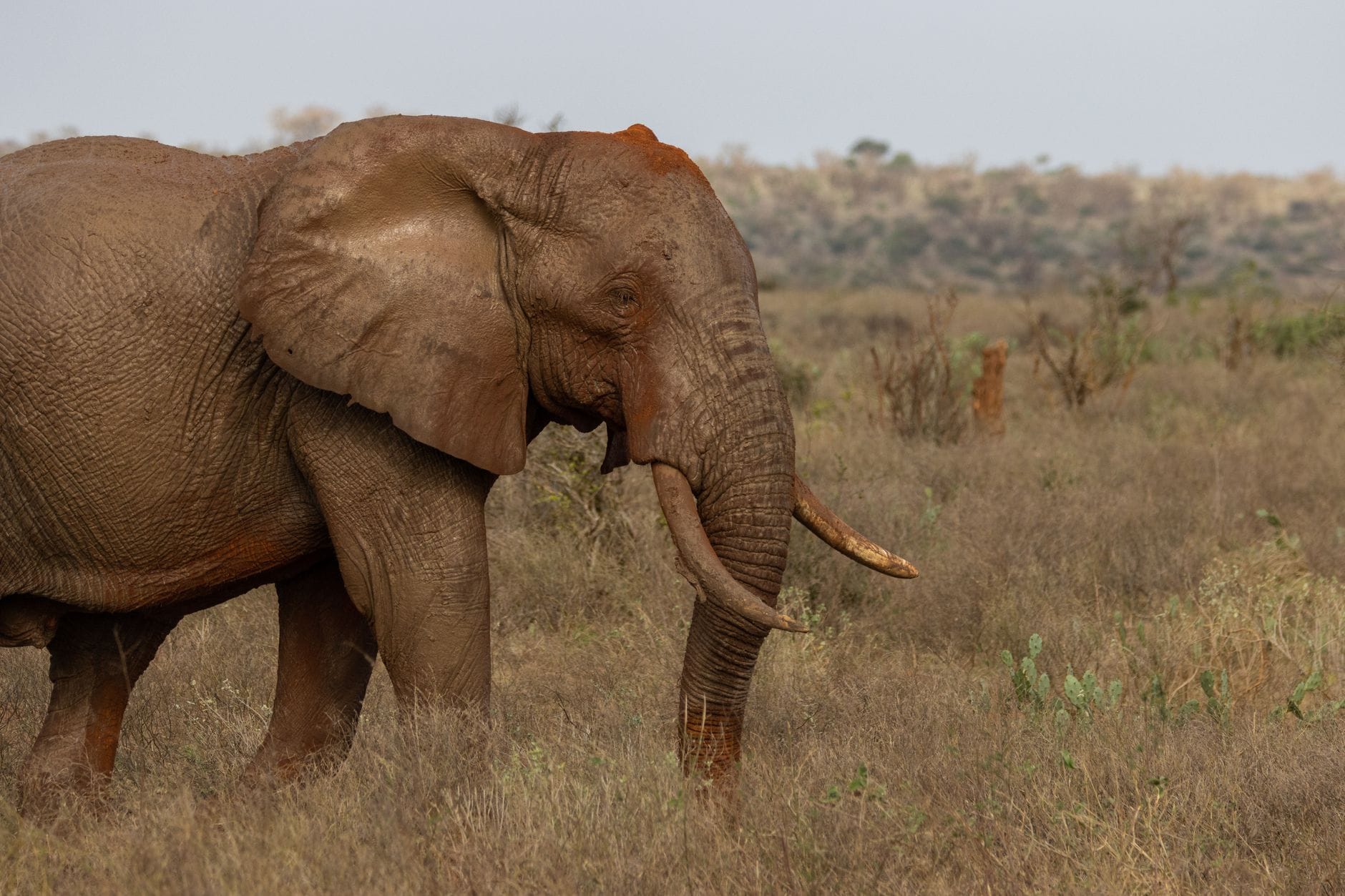
Kenya offers diverse landscapes teeming with iconic wildlife, but selecting the right parks and timing your trip effectively are critical to maximizing photographic opportunities. The Maasai Mara National Reserve is arguably the most famous for capturing the drama of the Great Migration between July and October, when millions of wildebeest, zebras, and gazelles traverse the plains. This spectacle creates stunning compositions featuring predator-prey interactions and vast herds under dramatic skies. Beyond Maasai Mara, Amboseli National Park presents incredible photographic possibilities with its striking views of Mount Kilimanjaro and large elephant populations, especially during dawn and dusk when the soft light enriches images. Samburu in Northern Kenya offers rare species such as Grevy’s zebra and gerenuk, granting distinctive shots that differ from more visited parks. To truly master safari photography, understanding each park’s wildlife calendar and weather patterns will help you schedule trips optimized for capturing peak animal activity and ideal lighting conditions.
Essential Equipment and Techniques for Safari Photography
The unpredictable and fast-paced nature of wildlife subjects demands specialized photographic gear and techniques. Long telephoto lenses, such as 300mm and 400mm, are indispensable for close-ups without disturbing the animals, while zoom lenses offer flexibility for varied compositions. A sturdy but lightweight tripod or monopod is recommended to stabilize shots during extended game drives or low-light conditions. Photographers should prepare to shoot in RAW format to retain maximum image quality for post-processing. Practical advice includes setting faster shutter speeds to freeze movement, using continuous autofocus modes, and being ready with quick compositional adjustments because animal behaviors often change rapidly. Additionally, protecting camera equipment from dust and moisture in safari environments is vital; weather-sealed gear and lens hoods help maintain clarity. Anapano Tours advises clients to pack versatile gear and offers customized tips tailored to the specific safari itinerary and expected shooting conditions.
How Jeep and Camping Safaris Enhance Photographic Opportunities
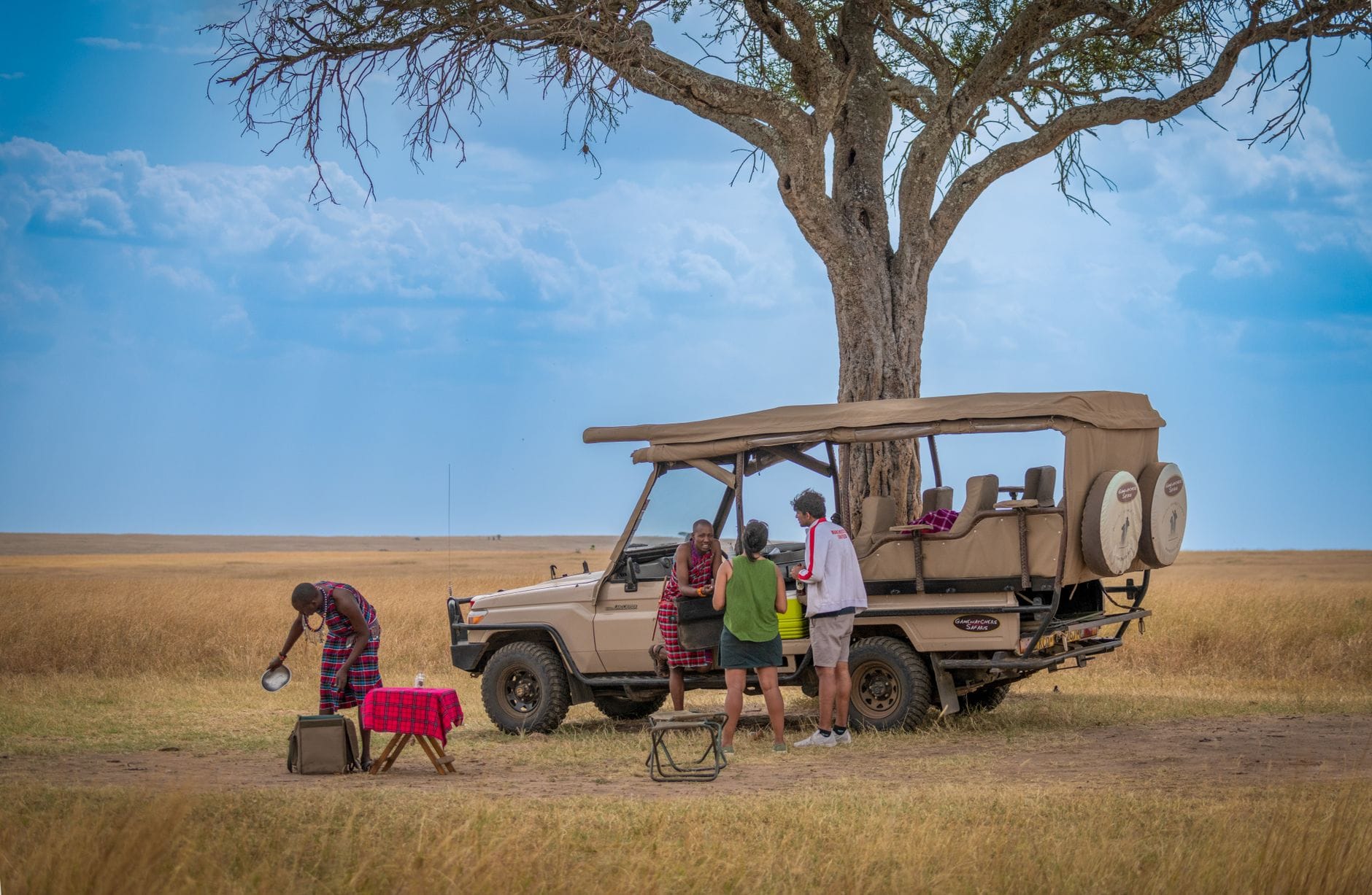
Photography-focused safaris can be significantly enriched by the choice of safari style. Jeep safaris, a hallmark experience in Kenya, allow photographers to venture off the beaten track with expert guides who know wildlife hotspots and animal behavior intimately. The elevated position of safari vehicles provides excellent vantage points for capturing animals at eye level or against dramatic backgrounds. Meanwhile, camping safaris immerse photographers in natural surroundings, opening chances to shoot wildlife during early morning and late evening golden hours when creatures are most active. These safaris often include flexible schedules that prioritize time at photogenic locations, maximizing chances of memorable shots beyond peak tourist hours. Anapano Tours expertly combines jeep and camping safaris into customizable itineraries that align with photographers’ specific goals — whether tracking the Big Five, birds, or rare species found only in certain reserves.
Personalized Safari Photography Tours with Anapano Tours and Safaris Ltd
What sets Anapano apart is its dedication to tailoring safari experiences that cater to wildlife photographers’ unique needs. Their expert local guides, who possess deep knowledge of animal habits and popular photographic spots, help position clients for the best angles and lighting, anticipating moments worth capturing. Anapano’s custom itineraries consider your desired species, photography style, and even camera gear logistics. Whether you prefer immersive multi-day tours in Maasai Mara or combination safaris including Amboseli and Samburu, the company ensures that your travel pace, accommodation, and route choices optimize photo opportunities. Furthermore, Anapano’s booking advisors provide practical support on transportation, park regulations, and necessary permits, so you can focus fully on your photographic pursuit. This personalized approach significantly increases the chances of coming away with a compelling portfolio of Kenya’s rich wildlife.
Ethical Guidelines and Safety Tips for Capturing Wildlife Responsibly
While pursuing the perfect shot, maintaining respect for wildlife and safety protocols is paramount. Anapano Tours emphasizes ethical photography practices, such as keeping a safe distance from animals to avoid disturbance and never interfering with natural behaviors. Using telephoto lenses instead of approaching subjects helps preserve animal welfare and your safety. Photographers should follow guide instructions meticulously, respecting park rules to protect habitats and themselves. Additionally, awareness of the harsh environmental conditions—heat, dust, and insects—is essential. Carrying protective clothing, insect repellent, and hydration supports both comfort and concentration during long shooting sessions. By embracing ethical standards and safety measures, you contribute to conservation efforts and ensure that Kenya’s spectacular wildlife remains undisturbed for future photographers and visitors.
Preparation and Packing Tips for Safari Photographers
Preparing effectively for a safari photography trip to Kenya involves more than camera gear alone. Dressing in neutral-colored clothing reduces visibility to animals and helps blend into natural surroundings. It’s crucial to pack layered outfits for variable temperatures, especially early mornings and nights when frost can settle even in savannah regions. Besides photographic equipment, bring portable power banks, extra memory cards, lens cleaning supplies, and a durable backpack designed to protect sensitive gear. Anapano Tours provides detailed packing guidelines tailored to the itinerary’s environments, advising travelers on essentials from sun protection to travel adapters. Proper preparation reduces stress and maximizes focus on your photography once in the field, ensuring you are ready for every extraordinary moment.
Conclusion: Unlock the Full Potential of Kenya Safari Photography with Anapano
Kenya’s unparalleled wildlife riches and breathtaking landscapes offer wildlife photographers an extraordinary canvas to explore and capture. By choosing the best parks and seasons, equipping yourself with appropriate gear, embracing jeep and camping safari advantages, and partnering with the knowledgeable team at Anapano Tours and Safaris Ltd, you position yourself for a rewarding photographic adventure. Beyond technical advice, the expert customization and ethical guidance offered by Anapano enhance both the quality of your photos and the sustainability of your safari experience. Whether aiming to document the Great Migration drama or to capture intimate wildlife portraits, the right preparation and strategic planning transform your Kenya safari photography into treasured memories and stunning images to share with the world.