Embarking on a safari in Kenya is a thrilling adventure filled with breathtaking wildlife encounters and cultural discoveries. To make the most of your trip, thorough preparation is essential—from understanding visa rules and health precautions to packing smartly and choosing the best times for wildlife viewing. This comprehensive guide empowers you with expert insights and practical tips, ensuring your Kenyan safari is safe, seamless, and unforgettable.
Navigating Kenya’s Visa and Health Requirements
Before you set out on your safari, securing the right visa and attending to health considerations are critical first steps. Most international visitors require a valid visa to enter Kenya, obtainable through the eVisa system online prior to arrival. It’s advisable to apply at least a few weeks in advance to avoid delays. Passport validity should extend at least six months beyond your planned stay. Additionally, certain vaccinations are strongly recommended or mandated by Kenyan health authorities—yellow fever vaccination is compulsory for travelers arriving from countries with yellow fever risk. Other advised immunizations include hepatitis A and B, typhoid, and routine vaccines like tetanus.
Malaria prophylaxis is another important consideration; Kenya’s mosquito-prone regions, especially near national parks and rural areas, pose malaria risks year-round. Consult your healthcare provider for the best antimalarial medication based on your itinerary. Bringing a well-equipped medical kit and following standard precautions, such as using insect repellent and sleeping under mosquito nets, adds an extra layer of health security during your safari adventure.
When to Visit Kenya: Understanding Wildlife Seasons and Safari Timing
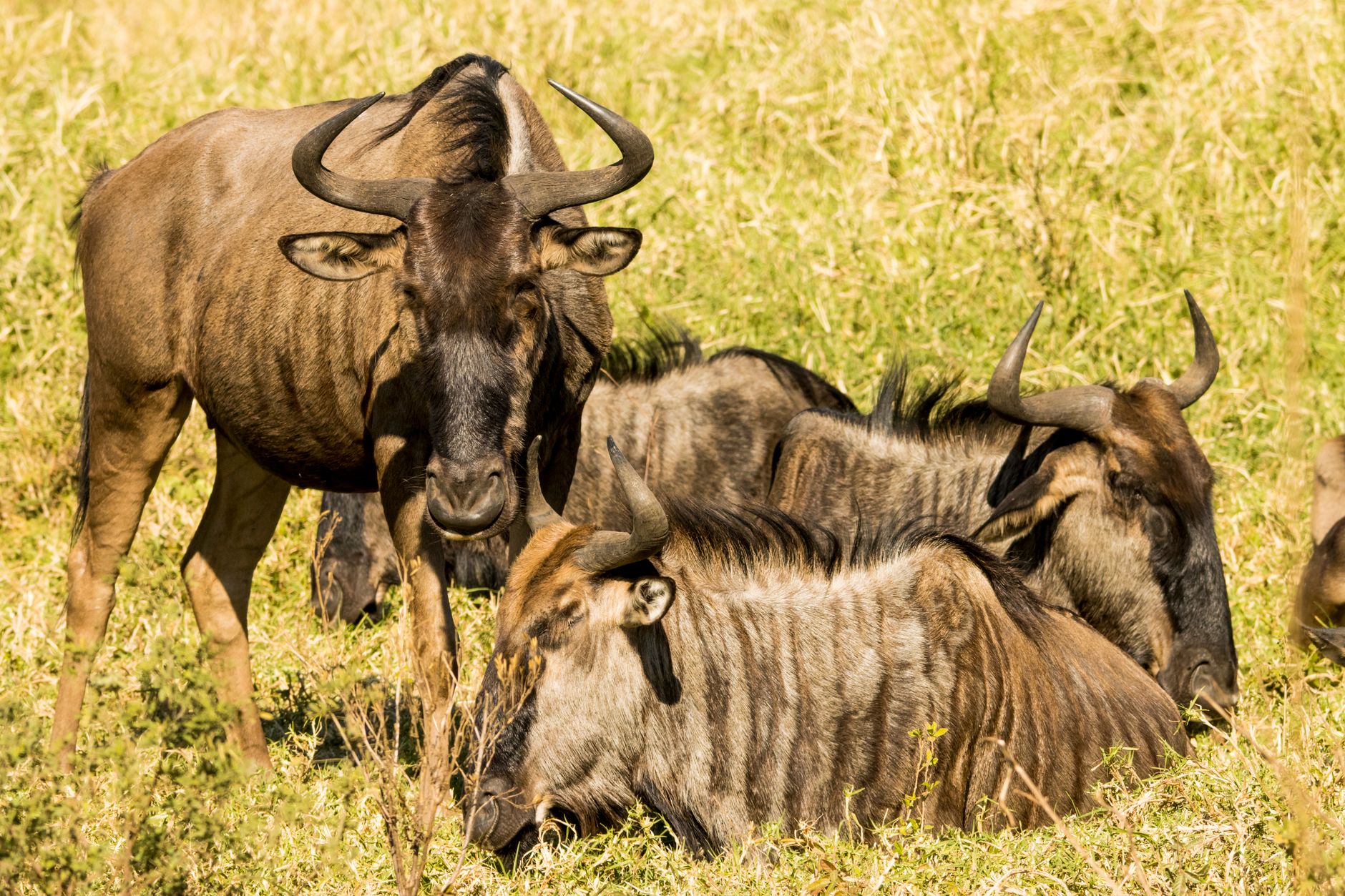
Kenya’s safari appeal varies with seasons and wildlife movements, especially regarding the spectacular Great Migration in the Maasai Mara. The prime months for witnessing vast herds of wildebeest, zebra, and predators typically span from July to October. During this period, the Mara’s plains come alive with unparalleled animal drama, making it the most sought-after safari season. Outside the migration window, parks like Amboseli offer great year-round opportunities to see elephants against Mount Kilimanjaro’s backdrop, while Samburu and Tsavo present unique species and spectacular landscapes at different times of the year.
Dry seasons, generally from late June to October and January to March, offer easier game tracking as animals gather around water sources. Conversely, the rainy seasons bring lush scenery and vibrant birdlife, particularly at Lake Nakuru, renowned for its flamingo populations. Knowing the best time to visit each park depending on your wildlife interests and weather preferences can greatly enhance your Kenya safari experience.
Essential Packing Tips for a Comfortable and Safe Safari
Packing thoughtfully for your Kenyan safari ensures comfort, convenience, and safety across diverse environments. Lightweight, breathable clothing in neutral colors helps blend with nature and protects against the sun, while a warm fleece or jacket is essential for cooler mornings and evenings, especially on early game drives. Don’t forget a wide-brimmed hat, sunglasses, and sunscreen for sun protection.
Reliable, sturdy footwear is a must for walking safaris and excursions. Binoculars and a camera with zoom lenses allow you to capture and appreciate wildlife moments from a distance. Include a basic first-aid kit, insect repellent, and reusable water bottles. For camping safaris, a flashlight, personal toiletries, and a daypack are handy. Consulting your safari provider, like Anapano Tours, on specific packing recommendations tailored to your chosen itinerary helps avoid overpacking or missing vital items.
Safety Protocols and Family-Friendly Safari Planning
Kenya safaris are generally safe, but adhering to recommended guidelines enhances your wellbeing and that of your group. Always follow instructions from expert guides, maintain safe distances from wildlife, and avoid wandering off unaccompanied, especially in wilderness areas. For families, choosing reputable tour operators who offer child-friendly accommodations and activities ensures a smooth experience. Anapano Tours specializes in crafting safe, engaging itineraries that consider the needs of younger travelers and multigenerational groups.
Health precautions include staying hydrated, practicing good hygiene, and protecting against insect bites. It is also wise to register your travel plans with your embassy or consulate and keep local emergency contacts handy. Being well-prepared and informed allows you to relax and enjoy Kenya’s rich landscapes and wildlife with peace of mind.
Immersive Wildlife and Cultural Experiences Beyond Game Drives
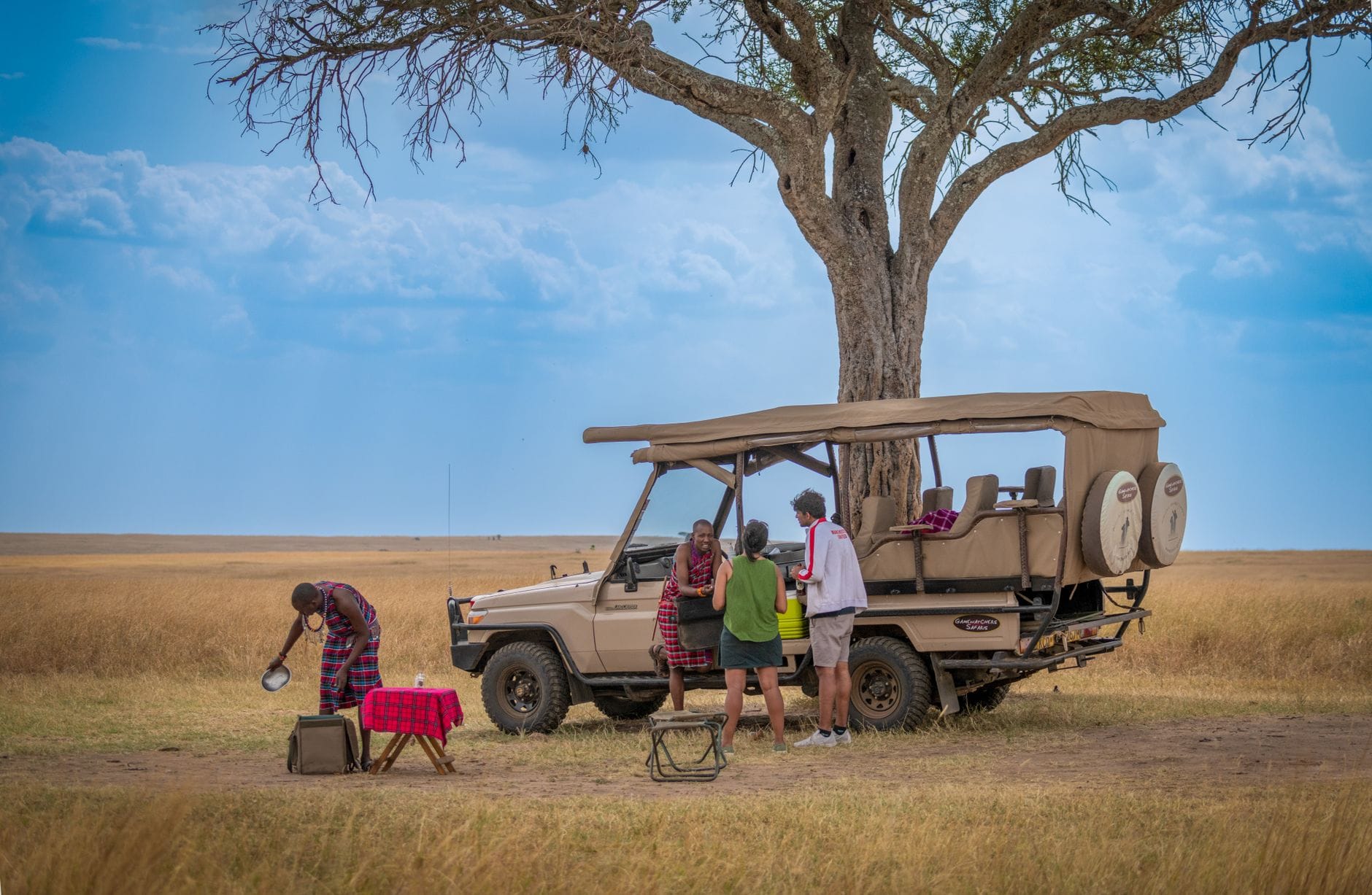
Kenya’s magic extends beyond spectacular sightings on safari vehicles. Engage with local Maasai and Samburu communities through cultural tours that offer respectful insights into their traditions, crafts, and daily life. These authentic encounters enrich your understanding and support sustainable tourism benefiting local people. Many tour packages with Anapano Tours include such activities alongside core wildlife viewing to deliver a holistic safari experience.
Additionally, for adventure travelers, opportunities abound for jeep safaris, camping under starlit skies, and birdwatching hotspots like Lake Nakuru. While Kenya does not feature Himalaya-style trekking, visitors can explore distinct landscapes on guided walking safaris or in the Kenyan highlands, such as Mount Kenya’s foothills, offering invigorating alternative activities suited to varied interests and fitness levels.
Booking Your Kenya Safari with Confidence
Securing your dream safari through an experienced operator like Anapano Tours brings peace of mind from start to finish. Detailed package explanations, transparent pricing, and flexible policies accommodate diverse budgets and preferences—from day trips to multi-day adventures featuring midrange camps and jeep safaris. Expert local guides ensure your game drives and activities are safe, educational, and thrilling.
Access to 24/7 customer support helps resolve any travel matters promptly, while pre-trip consultations address questions on logistics, health, or photography gear. Leveraging insider knowledge and seamless booking processes empowers you to focus on the excitement of your forthcoming Kenya journey.
Conclusion
Planning a safari in Kenya involves much more than booking a trip; it requires careful attention to travel documents, health safety, seasonal wildlife dynamics, and personal comfort. By preparing with expert guidance on visas, vaccinations, when and where to go, what to pack, and how to stay safe, you set the stage for a deeply rewarding experience. Whether you seek dramatic Great Migration views, intimate cultural exchanges, or thrilling camping adventures, Kenya promises memories that will resonate for a lifetime. Trusting knowledgeable partners dedicated to responsible tourism ensures your journey supports conservation and community wellbeing, making your safari not only unforgettable but meaningful.