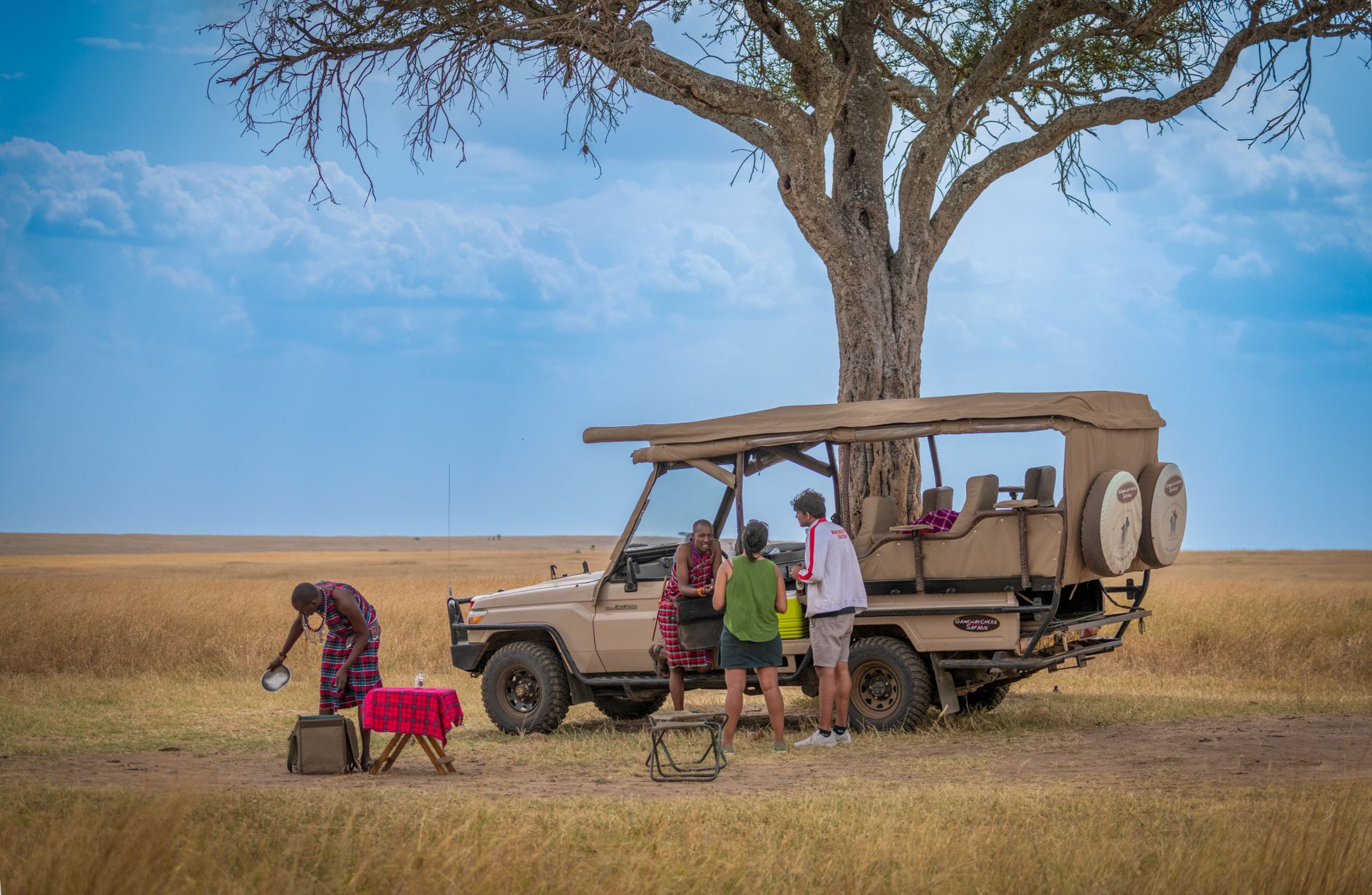
Embarking on a Kenyan wildlife adventure presents travelers with exciting choices, particularly when deciding between a jeep safari and a walking safari. Both offer unique encounters with nature’s spectacular offerings but differ significantly in experience, accessibility, and the type of wildlife viewing they provide. For anyone planning a trip with Anapano Tours and Safaris Ltd, understanding these differences can help tailor the perfect adventure that matches your interests, physical readiness, and desired level of immersion in Kenya’s wild landscapes.
Understanding Jeep and Walking Safaris in Kenya
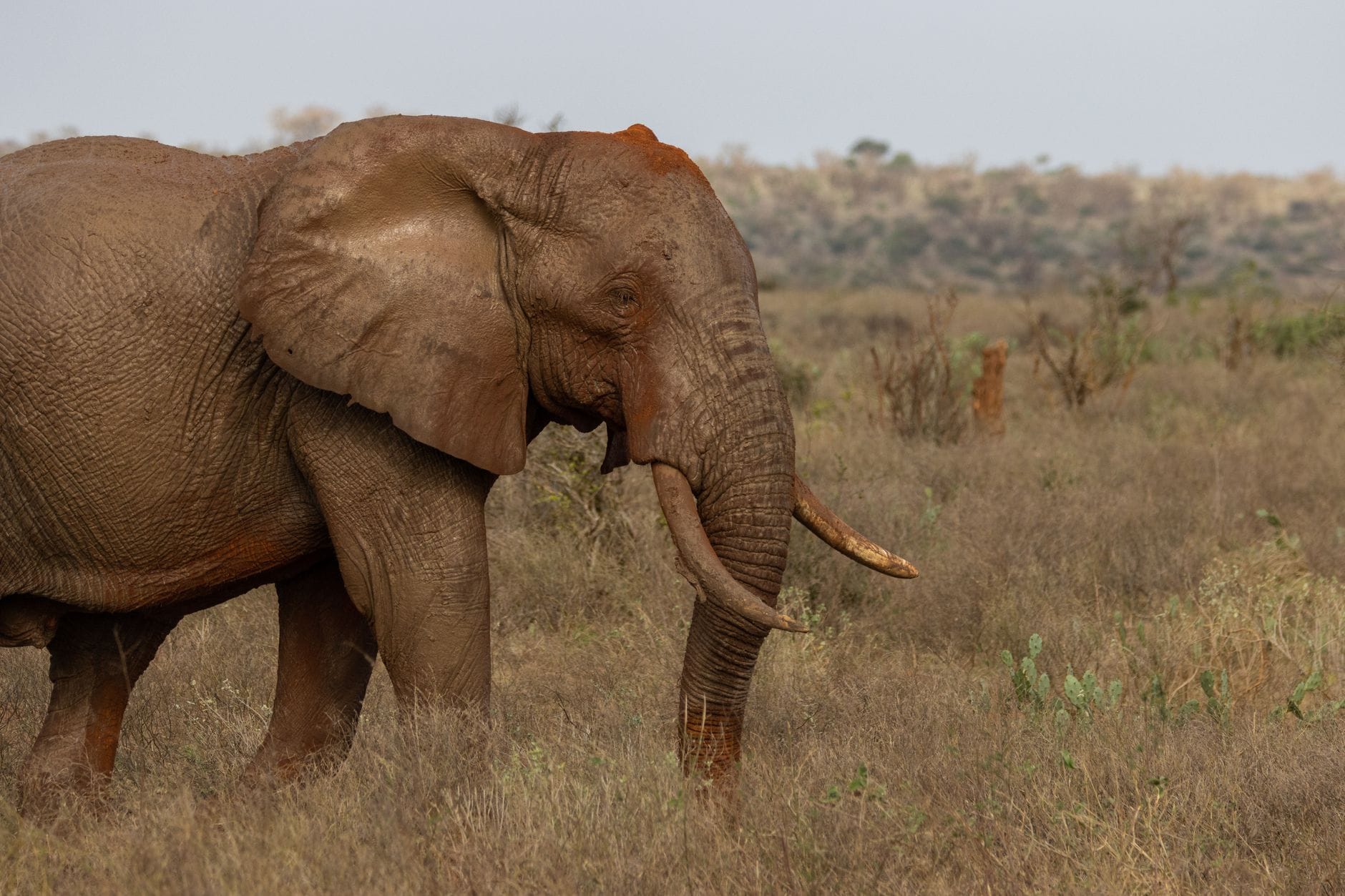
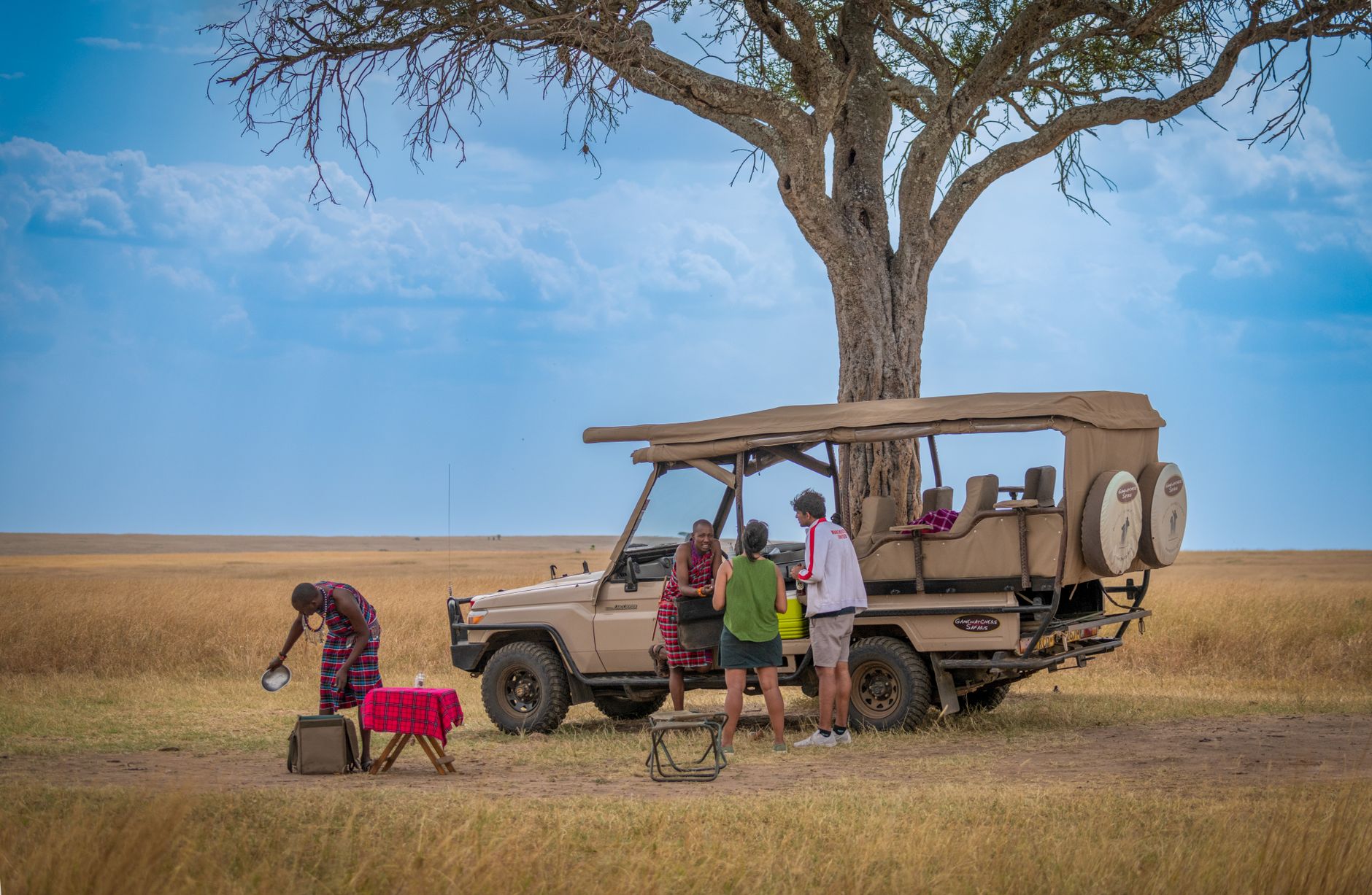
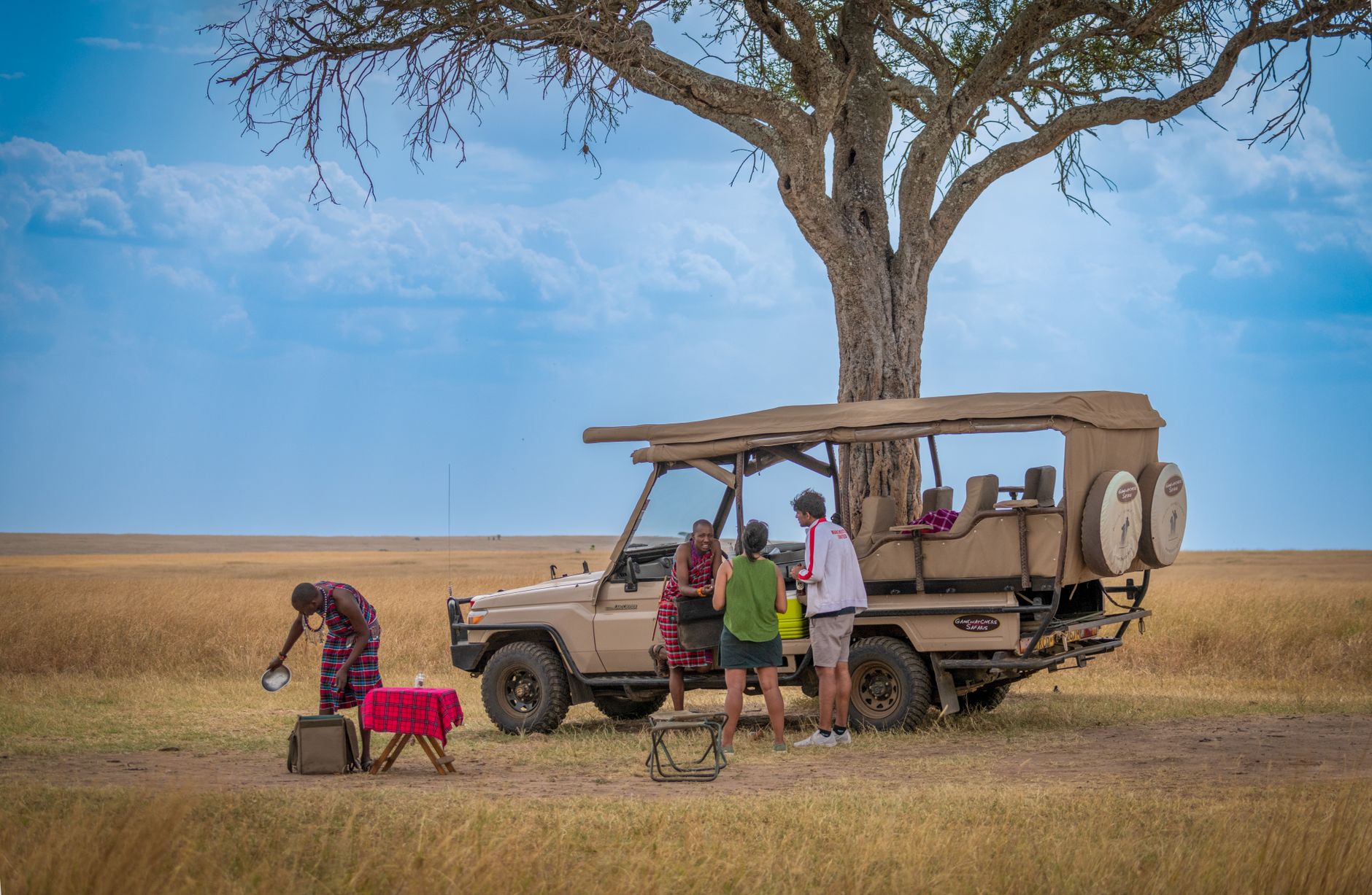
Jeep safaris are arguably the most familiar form of wildlife tours, especially in Kenya’s premier parks such as Maasai Mara, Amboseli, Samburu, and Tsavo. These safaris utilize specially adapted 4×4 vehicles that allow visitors to cover large areas efficiently while remaining safe and comfortable. The vehicles have elevated seating providing excellent visibility, and expert local drivers and guides leverage their knowledge and keen eyesight to spot elusive animals, including the Big Five and migrating herds.
Walking safaris, on the other hand, are more intimate and immersive. Conducted on foot under the close supervision of experienced armed guides, they offer a chance to connect deeply with the environment. By moving slowly and quietly, walkers can discover smaller wildlife, bird species, animal tracks, and subtle sounds of the bush that a vehicle cannot access. Walking safaris often take place in designated conservancies and certain parts of national parks where foot traffic is permitted, delivering a more primal safari encounter allied with physical activity and mindfulness.
Advantages and Experiences: Jeep Safari
Jeep safaris excel in comfort and range. They enable travelers to traverse diverse habitats—from vast grasslands to wooded hills—allowing for a broader scope of wildlife sightings in relatively short time periods. This format suits photographers and travelers eager to witness iconic scenes like the Great Migration or predator hunts, with minimal physical exertion. Safety is a key feature; the vehicle acts as a barrier, offering protection from potentially dangerous wildlife and harsh elements while enabling swift movement away from sudden threats.
Moreover, jeep safaris often come with well-equipped facilities such as shaded seating, onboard refreshments, and the ability to communicate via radio for coordinated sightings. For families, older travelers, or those new to safaris, this mode offers a reassuring balance of adventure and comfort. It also integrates seamlessly with camping safaris, allowing easy transfer between lodges or tented camps and maximizing daily wildlife viewing opportunities.
The Intimate Appeal of Walking Safaris
Walking safaris deliver an unmatched sensory connection to the African wilderness. Without the barrier of a vehicle, adventurers experience sights, sounds, and smells that deepen appreciation for the landscape. This mode offers opportunities to learn about animal behavior, track identification, medicinal plants, and local ecosystem dynamics—all shared through knowledgeable guide commentary.
Physical engagement is inherent to walking safaris, making them ideal for travelers in good health who seek a challenge and a desire to slow down time. Walking safaris also foster a sense of humility and respect for nature’s pace, often complementing conservation-centric tourism by minimizing disturbance to wildlife. However, because movement is slower and distances covered are less, the sightings tend to focus on smaller creatures and detailed ecological phenomena rather than large mammal herds. Walking safaris are limited to parks or conservancies that allow safe foot travel, with Samburu and smaller conservancies near Maasai Mara being prime examples.
Safety, Guide Expertise, and Suitable Destinations
Whether by jeep or on foot, safety is paramount. Anapano Tours employs highly trained local guides who ensure every safari adheres to strict safety protocols and provides detailed wildlife interpretation. In jeep safaris, guides benefit from the vehicle’s vantage point and communication equipment to navigate encounters safely. Walking safari guides carry emergency gear and are skilled in detecting animal presence well in advance, maintaining safe distances and readiness to retreat if necessary.
Choosing the right safari type often depends on your destination within Kenya. Maasai Mara, Amboseli, and Tsavo are renowned for jeep safaris, given their vast expanses and wide variety of big game. In contrast, conservancies adjacent to Maasai Mara and some areas within Samburu National Reserve offer excellent walking safari experiences where guided trails and community support facilitate safe trekking amidst wildlife. Combining both safari modes during a multi-day itinerary enriches the adventure and deepens understanding of Kenya’s diverse environments.
Photographic Opportunities and Traveler Profiles
Photographers can find compelling reasons to choose either safari style. Jeep safaris are suited for capturing dramatic wildlife sequences from a distance, accommodating heavy camera gear and quick repositioning to follow animal movements. Walking safaris provide close-ups of smaller wildlife, macro opportunities, and creative shots of habitat details not accessible from vehicles. For families or travelers prioritizing ease and safety, jeep safaris are generally preferred, while solo adventurers and nature enthusiasts looking for immersive, contemplative encounters gravitate towards walking safaris.
Adventure seekers often blend jeep and walking safaris with camping experiences, amplifying both thrill and immersion. Anapano Tours’ expertise in custom planning allows crafting itineraries that match physical limits while maximizing wildlife encounters and photographic rewards.
Conclusion: Making Your Best Safari Choice with Anapano Tours
Choosing between a jeep and walking safari is a personal decision shaped by your appetite for adventure, physical condition, and wildlife viewing goals. Jeep safaris offer expansive, comfortable exploration packed with iconic sightings, while walking safaris invite an intimate, sensory journey into Kenya’s wilderness. Combining both, enhanced by skilled Anapano Tours guides and tailored itineraries across Kenya’s premier parks and conservancies, delivers a uniquely rich wildlife adventure. Armed with expert insights, you can confidently select the safari experience that fits your desires, creating unforgettable memories on the landscapes where Kenya’s extraordinary wildlife roams free.